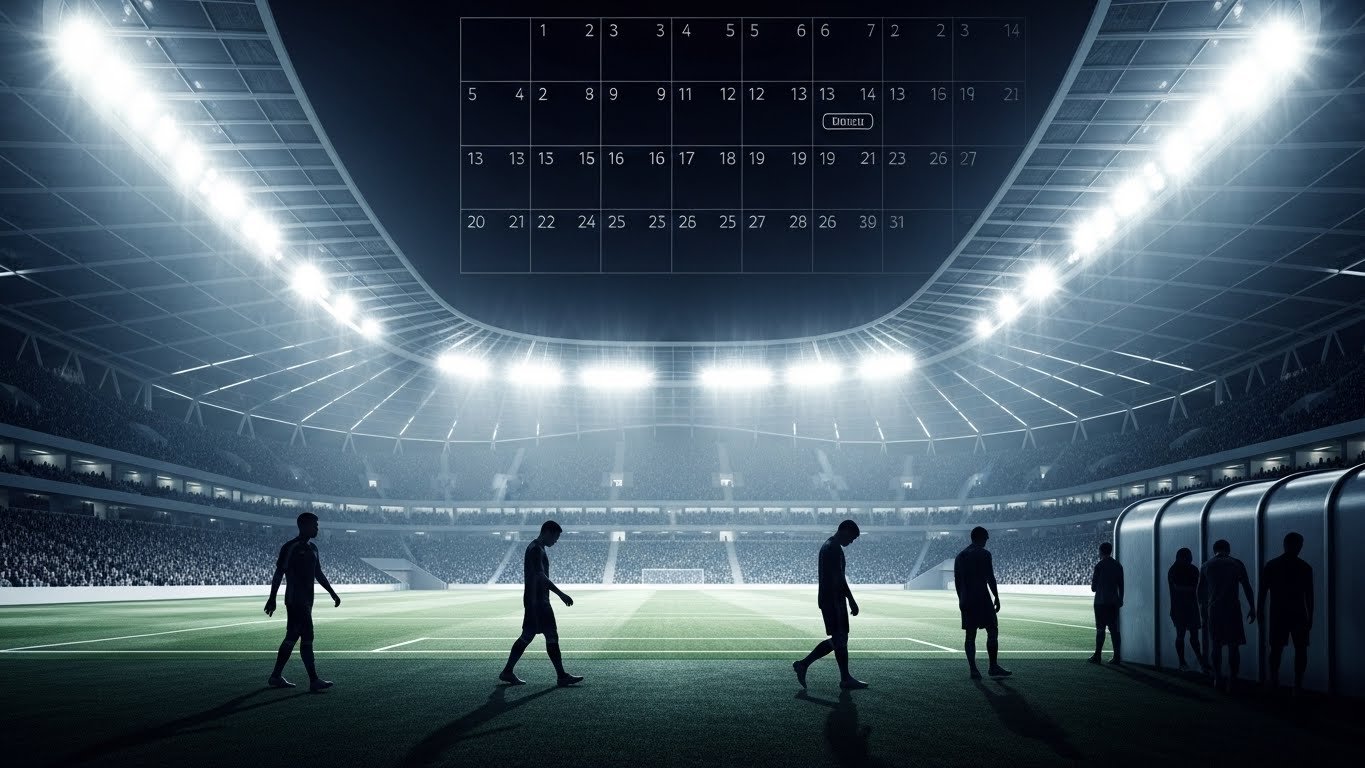
European football is entering a pivotal moment as increasing pressure from clubs, players’ unions, broadcasters, and national federations forces UEFA to reconsider the structure of the Champions League and domestic calendar.
With match congestion reaching historic levels, top athletes voicing concerns about burnout, and broadcasters pushing for higher commercial consistency, football’s most prestigious competition may be on the verge of major structural changes.
The debate reflects a broader conflict between sports performance, commercial interests, and athlete welfare, with global repercussions for scheduling, revenue distribution, and competitive balance.
1. Why the Champions League Format Is Being Questioned
For years, the Champions League has expanded in commercial scope — more matches, heightened advertising value, and new revenue-sharing models. But the 2024–2025 and 2025–2026 cycles have exposed critical issues:
- elite players are competing in over 70 matches per season
- clubs are experiencing record rates of soft-tissue injuries
- broadcasters are frustrated by unpredictable viewership patterns
- fans complain that the new formats feel congested and inconsistent
UEFA’s recent reforms — intended to increase competitiveness — have instead intensified scheduling chaos.
Top clubs argue that the current structure is unsustainable, especially with domestic leagues, international breaks, and the expanding Club World Cup all demanding calendar space.
2. Players Are at a Breaking Point
Players’ associations across Europe have issued warnings that excessive match loads are causing:
- chronic fatigue
- increased long-term injury risk
- reduced performance consistency
- mental health strain
A number of star players have publicly criticized the schedule, calling for mandatory rest windows and more scientific workload management.
Medical data from major clubs indicates fatigue-related issues are up 18–27% compared to pre-expansion seasons.
3. Broadcast and Commercial Pressures Mount
Broadcasters — particularly in the UK, Spain, and Italy — have raised concerns over:
- declining audience retention for midweek group-stage matches
- ad saturation reducing CPM value
- competition with streaming platforms and NFL broadcasts
- unpredictability in fixture difficulty and timing
With billions invested, networks want fewer but higher-quality matches, optimized for global prime time slots.
This has pushed UEFA to consider adjustments that balance:
✔ commercial value
✔ competitive fairness
✔ athlete welfare
✔ global viewership trends
4. What Structural Changes Are Being Discussed
UEFA has reportedly explored several redesign options for 2027 and beyond:
Option 1 — Return to Smaller Group Stage
Reducing total matches and improving competitive intensity.
Option 2 — Rotating Rest Windows
Mandatory player-load limits enforced across leagues and European fixtures.
Option 3 — Continental Scheduling Coordination
Aligning domestic and European calendars to reduce overlap and optimize travel.
Option 4 — Premium Match Slots
Fewer simultaneous matches, more global “prime-time” events.
While no official decisions have been made, insiders suggest that pressure from clubs and broadcasters is now too strong to ignore.
5. The Dollar Pulse Sports Insight
European football is entering a structural crossroads.
The Champions League is the sport’s crown jewel — but even institutions of enormous prestige must adapt when player health, commercial performance, and fan engagement are simultaneously at risk.
UEFA’s upcoming decisions will shape:
- financial futures of big clubs
- athlete longevity
- the global football calendar
- competition viewership patterns
- future commercial partnerships
What happens next may redefine elite football for the next decade.
This article contains original analysis based on publicly available reporting from European football governing bodies, medical performance studies, and international broadcast market data.
Sources cited solely for transparency.