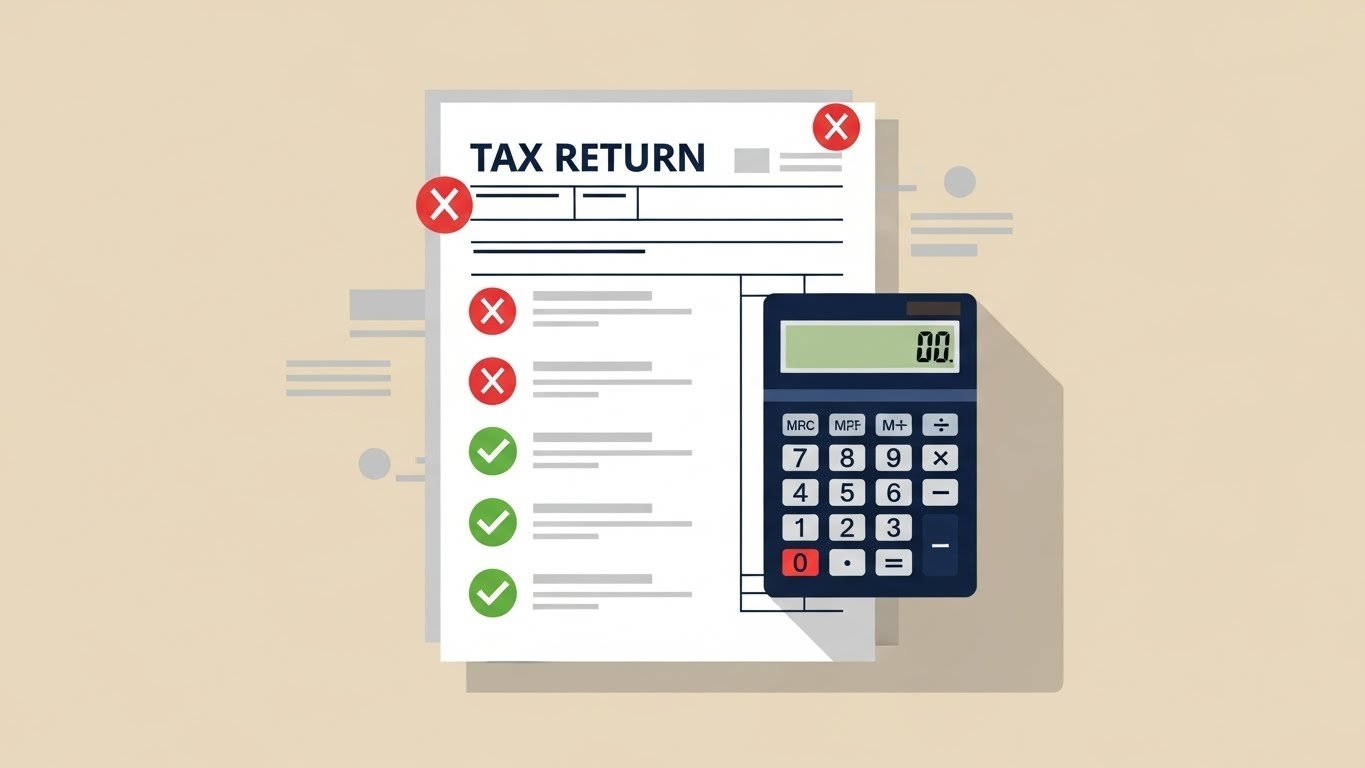
Many taxpayers believe small mistakes on tax returns don’t matter much. In 2026, that assumption is proving expensive. As IRS systems become more automated and data-matching improves, even minor filing errors are leading to smaller refunds, delayed processing, or unexpected tax bills.
Most of these losses are avoidable with better attention to detail.
Why Small Errors Matter More in 2026
The IRS now cross-checks returns against multiple data sources almost instantly. When numbers don’t align, refunds are paused or adjusted automatically.
This means errors that once slipped through now trigger corrections without warning.
The Most Costly Filing Mistakes
The mistakes that most often reduce refunds or increase taxes include:
- Incorrect income totals
- Missing freelance or side income
- Wrong filing status
- Misreported dependents
- Overlooked credits or deductions
Each error can alter the final tax calculation.
How Income Mismatches Trigger Problems
Income reported by employers, banks, and platforms must match returns exactly. Even small discrepancies can lead to delays or recalculations.
Gig workers and taxpayers with multiple income streams face higher risk.
Credits and Deductions People Miss
Many filers fail to claim:
- Education-related credits
- Dependent care benefits
- Retirement contribution deductions
- Adjustments tied to health savings accounts
Missing these can mean leaving hundreds — or thousands — unclaimed.
Why Refund Delays Are More Common
Returns with inconsistencies often require additional verification. While not audits, these reviews slow refunds and can lead to partial adjustments.
Electronic filing reduces, but doesn’t eliminate, this risk.
How to File More Accurately
To reduce errors:
- Match income exactly to forms
- Double-check personal details
- Use updated tax software
- Review returns carefully before submitting
- Keep documentation organized
Accuracy beats speed.
The Key Takeaway
In 2026, tax filing mistakes carry a higher price. Careful preparation and attention to detail help taxpayers keep more of their money and avoid unnecessary delays or surprises.