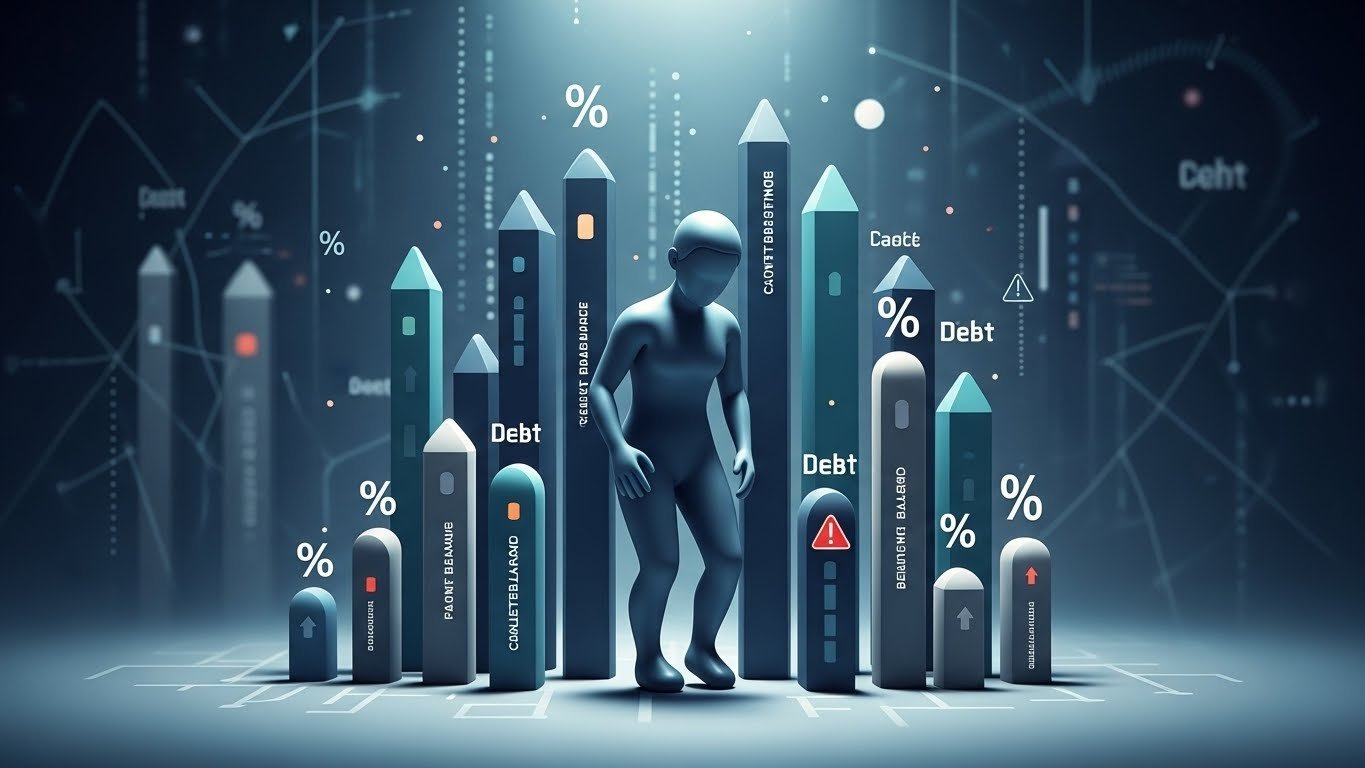
Credit card debt is climbing again in 2026, and the trend is no longer limited to reckless spending. A growing number of financially responsible consumers are carrying balances — not because of impulse purchases, but because everyday costs are becoming harder to manage with cash alone.
Higher interest rates, persistent inflation in essential categories, and slower wage gains are reshaping how Americans use revolving credit.
Why Credit Card Debt Is Growing Differently in 2026
Unlike past cycles, today’s balance growth is driven less by discretionary spending and more by necessities. Groceries, utilities, insurance premiums, and medical costs are increasingly charged to credit cards to smooth cash flow.
At the same time, interest rates on cards have reached historic highs, making even short-term balances far more expensive.
High APRs Are Changing the Math
Many cards now carry APRs exceeding 25%, dramatically increasing the cost of carrying debt. A balance that once took a few months to pay off can now linger much longer, even with consistent payments.
Minimum payments cover less principal, allowing interest to compound faster.
Who Is Most Affected by Rising Balances
The groups seeing the fastest balance growth include:
- Middle-income households
- Consumers without emergency savings
- Workers facing irregular income
- Families absorbing higher insurance and housing costs
These borrowers are often managing credit responsibly — but under pressure.
Why Paying the Minimum Is Riskier Than Ever
Minimum payments are designed to keep accounts current, not to eliminate debt. In 2026’s rate environment, relying on minimums can extend repayment timelines by years and multiply interest costs.
Borrowers who don’t adjust payment strategies may see balances stabilize — but never disappear.
Practical Ways to Regain Control
Consumers can reduce damage quickly by:
- Targeting highest-APR balances first
- Making multiple payments per month
- Avoiding new charges while paying down debt
- Exploring balance transfer options carefully
- Building even a small emergency buffer
Action timing matters more than perfection.
What This Means for Credit Scores
Higher balances increase utilization, which can lower scores even when payments are on time. This can affect future loan approvals and interest rates, creating a feedback loop.
The Key Takeaway
Rising credit card balances in 2026 don’t always signal poor habits — they often reflect economic pressure. Understanding the new dynamics of interest, inflation, and cash flow can help borrowers take control before balances become long-term burdens.