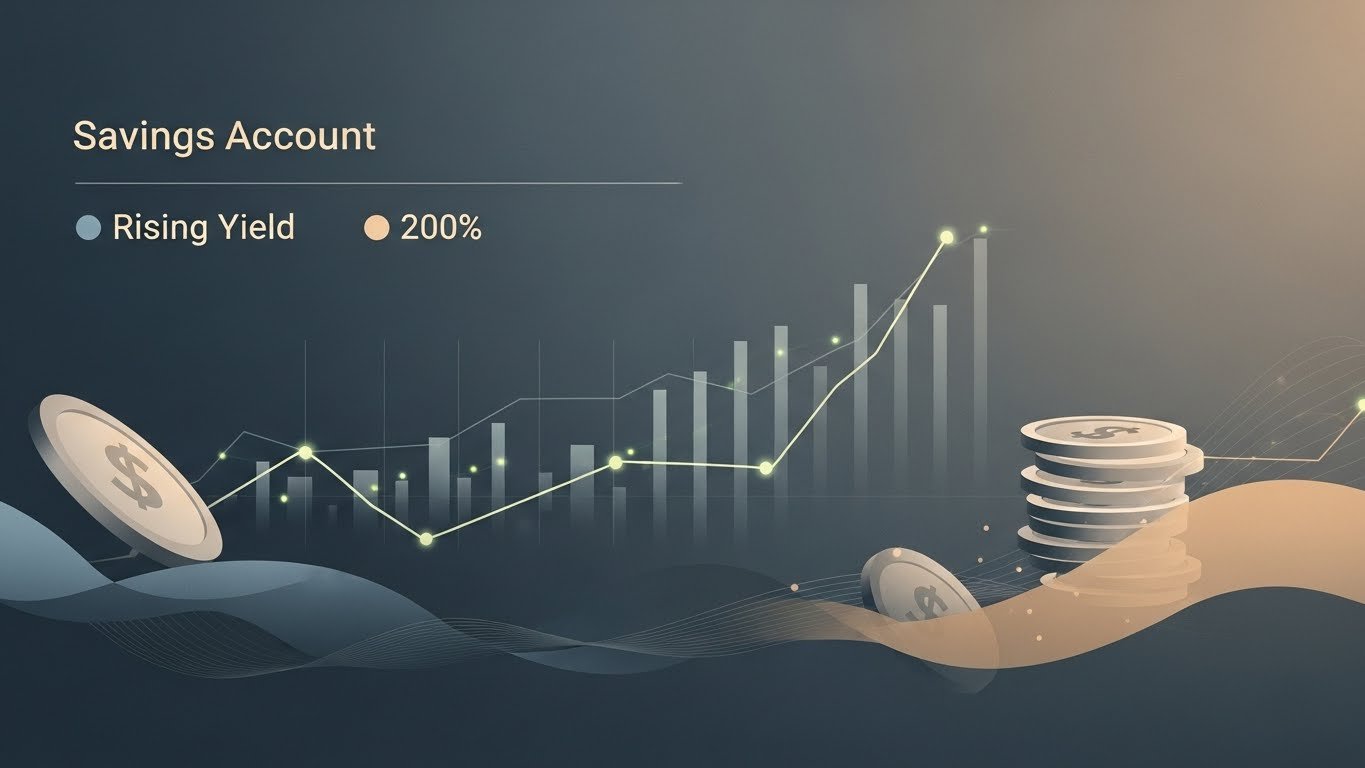
In 2026, high-yield savings accounts are drawing increased attention from U.S. households. After years of low returns on cash, savers are paying closer attention to where their money sits and how quickly yields can change.
This matters now because higher balances are being held in cash. Small differences in savings rates can meaningfully affect household income over time.
Why High-Yield Savings Are Gaining Popularity
Several trends are driving interest:
- Elevated short-term interest rates
- Greater awareness of rate differences
- Desire for liquidity without market risk
- Uncertainty about near-term economic conditions
Savers want returns without sacrificing access.
How These Accounts Differ From Traditional Savings
High-yield savings accounts typically:
- Offer variable rates that adjust frequently
- Are often provided by online-focused banks
- Have fewer branch-based services
- Emphasize digital account management
Convenience and yield drive adoption.
Why Rates Change Quickly
Banks adjust savings rates based on:
- Federal Reserve policy signals
- Competition for deposits
- Funding needs and balance sheet strategy
Rates can move without notice, both up and down.
Who Benefits the Most
These accounts are especially useful for:
- Emergency funds
- Short-term savings goals
- Households waiting to invest or spend
- Retirees prioritizing capital preservation
Liquidity remains a key advantage.
What Limits and Conditions Matter
In 2026, many accounts include:
- Tiered interest rates
- Balance caps on top yields
- Transfer limits or holds
- Minimum balance requirements
Understanding terms prevents disappointment.
How High-Yield Savings Affect Financial Planning
Holding cash in higher-yield accounts:
- Improves passive income slightly
- Reduces opportunity cost of liquidity
- Supports short-term financial stability
However, returns still lag long-term investments.
Why Timing Matters
Opening or moving funds during promotional periods can lock in higher yields temporarily. But variable rates mean ongoing monitoring is necessary.
Set-and-forget no longer applies.
What to Watch Going Forward
Key factors include:
- Changes in advertised APYs
- Federal Reserve rate decisions
- Deposit competition among banks
- Account term updates
Staying informed protects returns.
Key Takeaway
In 2026, high-yield savings accounts offer U.S. households a better home for cash — but only for those who understand how rates, limits, and liquidity actually work.