
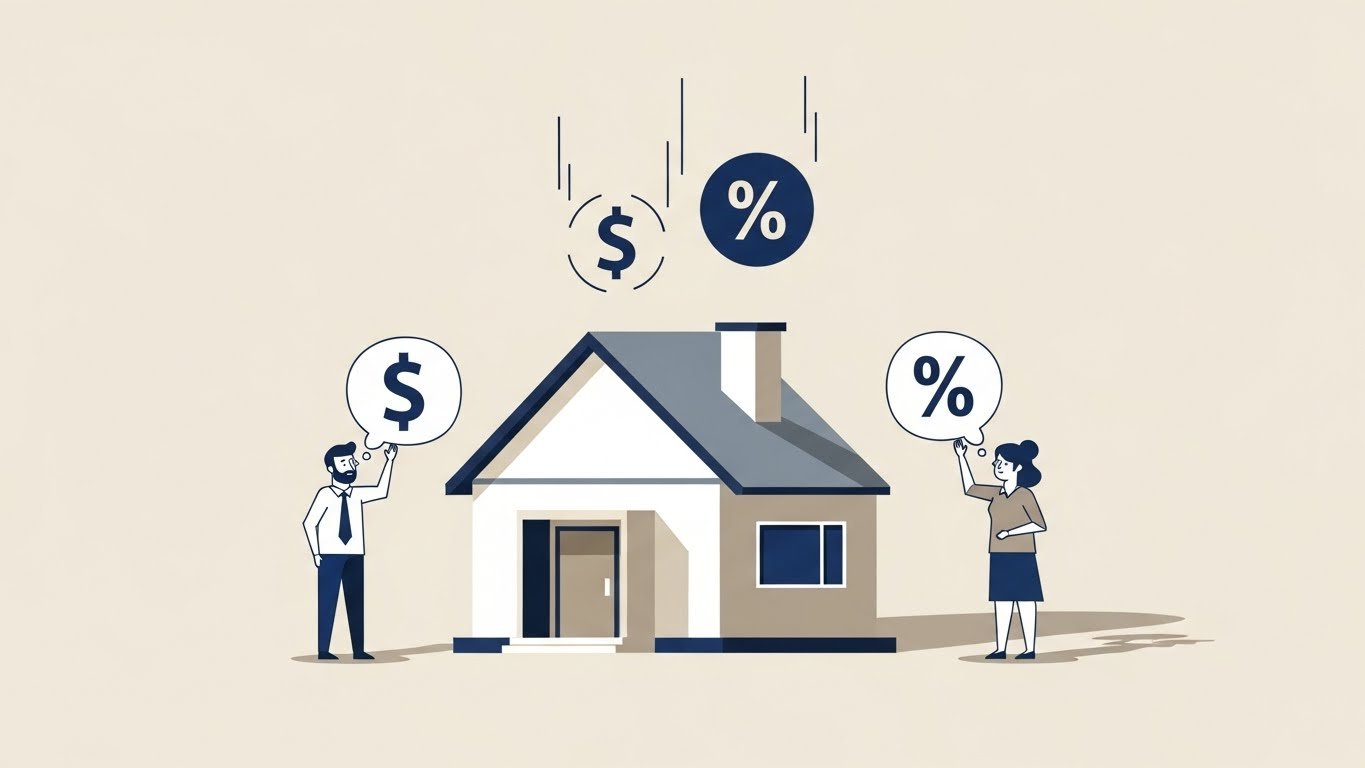
The U.S. housing market is cooling in 2026, but housing costs remain stubbornly high. Home prices have stopped rising rapidly in many areas, yet affordability has not improved for most households. For buyers and renters alike, monthly housing expenses continue to consume a large share of income.
This disconnect is reshaping how Americans approach housing decisions.
Why Slower Markets Aren’t Lowering Costs
Even as transaction volume declines, several factors keep costs elevated:
- High mortgage interest rates
- Limited housing supply
- Rising insurance and property taxes
- Higher maintenance and construction costs
Lower demand alone isn’t enough to bring prices down meaningfully.
Mortgage Rates Are the Biggest Barrier
Interest rates remain the primary affordability challenge. A modest drop in home prices does little to offset higher borrowing costs, which can add hundreds of dollars to monthly payments compared to a few years ago.
For many buyers, qualifying is harder even with solid credit.
Renters Are Feeling the Pressure Too
Rental markets have softened slightly in some cities, but rents remain high overall. Landlords face higher costs and pass them on through rent increases, fees, and stricter lease terms.
Moving no longer guarantees savings.
Who Is Most Affected by High Housing Costs
The biggest impact is felt by:
- First-time homebuyers
- Lower- and middle-income households
- Families in high-growth metro areas
- Renters without long-term leases
Housing decisions increasingly dictate broader financial stability.
How Households Are Adapting
Common responses include:
- Delaying home purchases
- Downsizing or relocating
- Increasing shared housing arrangements
- Stretching budgets to qualify
- Prioritizing housing over savings
Each choice carries trade-offs.
What This Means for the Broader Economy
High housing costs limit consumer spending elsewhere and slow wealth-building for younger households. They also affect labor mobility and long-term economic growth.
The Key Takeaway
In 2026, a slower housing market doesn’t mean cheaper housing. Understanding how interest rates, supply, and fixed costs interact helps households make informed decisions in an expensive environment.