
A budget is one of the simplest and most effective tools for improving your financial life — yet most people either avoid making one or abandon it within weeks. The problem isn’t lack of discipline; it’s using budgeting methods that don’t match real-life behaviors. A good budget should feel flexible, realistic, and aligned with your financial goals. Whether you’re trying to save for an emergency fund, pay down debt, or simply stop living paycheck to paycheck, understanding how to structure a budget that works for you is the foundation of long-term financial stability.
The Core Idea
A budget is not about deprivation — it’s about clarity. It shows exactly where your money is going so you can decide whether those choices align with what you value. Modern budgeting practices emphasize automation, simplicity, and consistency rather than tracking every cent manually. This shift has helped millions of people improve their savings habits without overwhelming spreadsheets or confusing financial rules.
Why It Matters
Effective budgeting directly impacts:
• Your ability to build savings
• How quickly you can pay off debt
• Whether you can handle financial emergencies
• Long-term goals like buying a home or retiring comfortably
Without a budget, it’s easy to overspend in small ways that compound into large financial setbacks. With one, even modest changes — like redirecting $50 a week — can transform your financial trajectory over time.
Popular Budgeting Methods
• The 50/30/20 Rule:
50% needs, 30% wants, 20% savings/debt repayment. Simple, flexible, ideal for beginners.
• Zero-Based Budgeting:
Every dollar is assigned a job. Helps maximize intention and eliminate waste.
• Pay-Yourself-First Method:
Savings are automated before spending. Great for building long-term habits effortlessly.
• Envelope or Category-Based Budgeting:
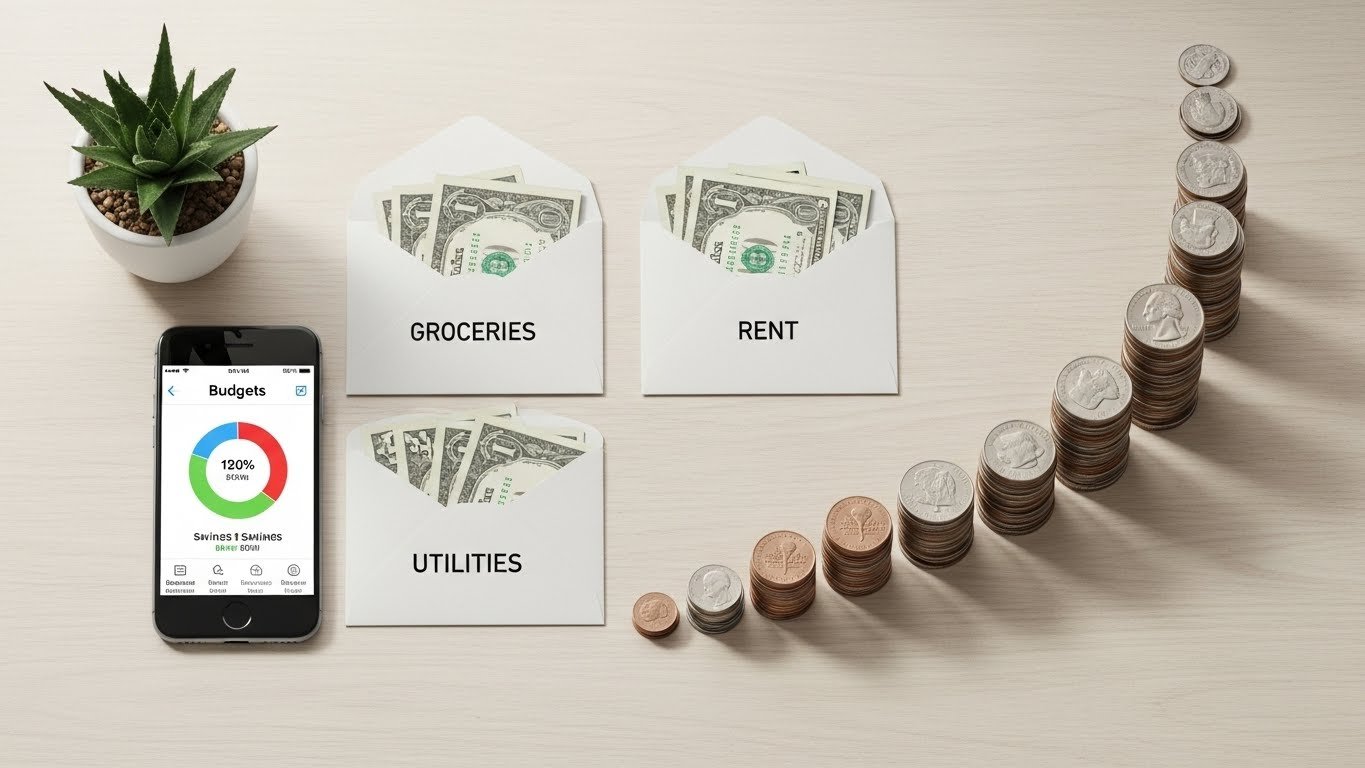
Physical or digital “envelopes” for spending categories. Highly visual and effective for controlling variable expenses.
How to Build a Budget That Works for You
- Calculate monthly net income — the real number after taxes.
- List fixed expenses like rent, utilities, insurance, subscriptions.
- Estimate variable expenses including groceries, gas, dining out, entertainment.
- Set clear savings goals, such as an emergency fund or travel budget.
- Automate savings and bill payments to reduce missed deadlines and impulse spending.
- Track spending weekly, not daily, for simplicity and consistency.
- Review and adjust monthly — budgets evolve as life changes.
Common Budgeting Mistakes to Avoid
• Setting unrealistic spending limits
• Forgetting annual or irregular expenses
• Not tracking small but frequent purchases
• Treating a budget as punishment instead of a planning tool
Smart Saving Strategies
• Start with an emergency fund target of $500–$1,000, then build toward 3–6 months of expenses.
• Automate transfers to savings accounts the moment your paycheck arrives.
• Use high-yield savings accounts to maximize interest.
• Review subscription services quarterly to cut recurring waste.
TheDollarPulse Analysis
The key takeaway is that budgeting success depends less on the method and more on consistent execution. Automation, simplicity, and realistic expectations are the strongest predictors of long-term savings growth. The most effective strategy is to choose a budgeting system you can maintain during both calm and stressful months. When done right, budgeting gives you control, reduces anxiety, and builds financial resilience — turning short-term habits into lasting financial strength.
Sources
Source: Consumer finance studies, personal finance coaching frameworks, and Federal Reserve household budgeting reports — summarized and analyzed by TheDollarPulse.
This article contains original analysis and does not reproduce copyrighted text.