
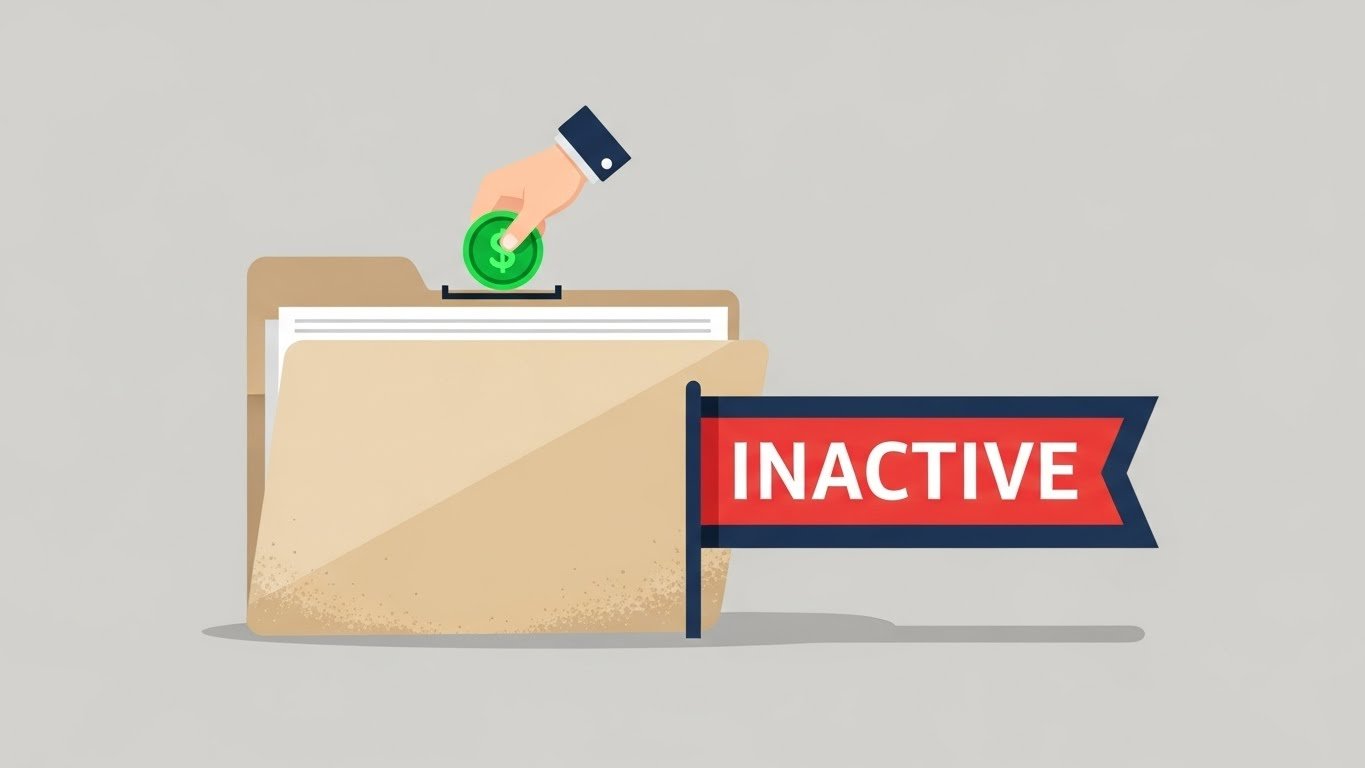
Many Americans assume that leaving a bank account untouched is harmless. In 2026, that assumption is proving costly. Banks are tightening policies around inactive accounts, introducing new fees, freezing funds, or closing accounts altogether after periods of inactivity.
For consumers, inaction can now trigger real financial consequences.
Why Banks Are Cracking Down on Inactive Accounts
Banks are responding to:
- Higher compliance and monitoring costs
- Fraud prevention requirements
- Pressure to reduce low-profit accounts
- Regulatory obligations around dormant funds
Inactive accounts create risk without generating revenue.
What Counts as “Inactive” in 2026
Inactivity definitions vary, but often include:
- No deposits or withdrawals for 6–12 months
- No login activity on digital platforms
- No response to bank communications
Even accounts with balances can be flagged.
Common Consequences of Inactivity
Consumers may face:
- Monthly dormancy fees
- Account freezes
- Forced account closures
- Transfer of funds to state unclaimed property programs
Recovering funds can take time and paperwork.
Who Is Most at Risk
Accounts most vulnerable include:
- Old savings or checking accounts
- Accounts used only for emergencies
- Secondary or legacy accounts
- Accounts tied to closed employers
These accounts are often forgotten until problems arise.
How to Keep Accounts Active
Simple actions can prevent issues:
- Make a small transaction periodically
- Log in to online banking occasionally
- Update contact information
- Review bank notices promptly
- Consolidate unnecessary accounts
Minimal effort preserves access.
Why This Matters for Financial Organization
Dormant accounts complicate financial tracking and increase the risk of lost funds. Streamlining banking relationships improves visibility and control.
The Key Takeaway
In 2026, inactive bank accounts are no longer “safe to ignore.” Regular monitoring and small activity checks help consumers avoid fees, closures, and unnecessary headaches.