
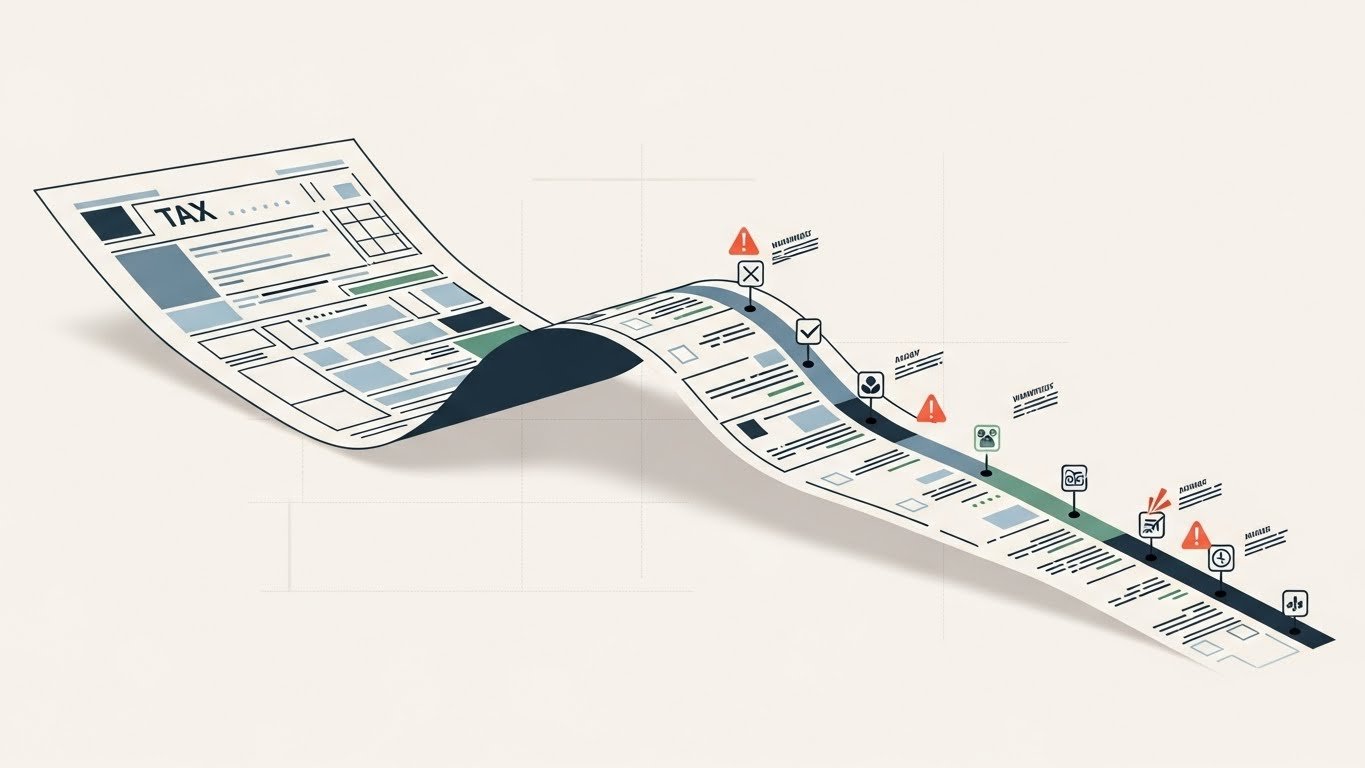
Tax refunds in 2026 are catching many filers off guard. Even returns that look correct on the surface are seeing smaller amounts or longer processing times. The reason isn’t a single rule change — it’s a combination of tighter verification, better data matching, and more aggressive automation.
If your refund feels “off,” there’s usually a traceable cause.
Why Refunds Are Shrinking in 2026
Several factors are converging:
- More precise income matching across platforms
- Reduced eligibility for certain credits as income shifts
- Withholding that didn’t keep pace with raises or side income
- Automatic adjustments when data doesn’t align perfectly
What used to pass now gets flagged.
The Most Common Triggers for IRS Review
Returns are more likely to be reviewed when they include:
- Freelance or gig income with mismatched forms
- Credits claimed near eligibility thresholds
- Dependents with incomplete documentation
- Large changes year-over-year without explanation
- Rounding or transcription errors
These don’t mean an audit — but they do slow refunds.
Why “Clean” Returns Still Get Adjusted
Automation recalculates credits and deductions instantly. If the IRS system finds a discrepancy, it may correct the return and issue a smaller refund without requesting additional information first.
Many filers only notice when the deposit arrives.
Who Is Most Affected
Refund issues are more common among:
- Dual-income households
- Filers with side gigs or investment income
- Families claiming multiple credits
- Taxpayers who changed jobs mid-year
Complexity increases review risk.
How to Reduce Refund Delays
Practical steps that help:
- Match income exactly to all forms
- Double-check dependent details
- Avoid estimates when exact numbers exist
- File electronically with updated software
- Keep documentation accessible
Accuracy beats speed in 2026.
What to Do If Your Refund Is Smaller
If an adjustment occurs:
- Review the IRS notice carefully
- Compare recalculations line by line
- Respond promptly if information is requested
- Avoid refiling unless instructed
Overreacting often creates new delays.
Why This Matters Financially
Refunds are often used for:
- Catch-up savings
- Debt reduction
- Large planned expenses
Delays or reductions can ripple across household finances.
The Key Takeaway
In 2026, IRS refunds depend on precision, not assumptions. Filers who align income, credits, and documentation closely with reported data are far more likely to receive full refunds — and receive them faster.