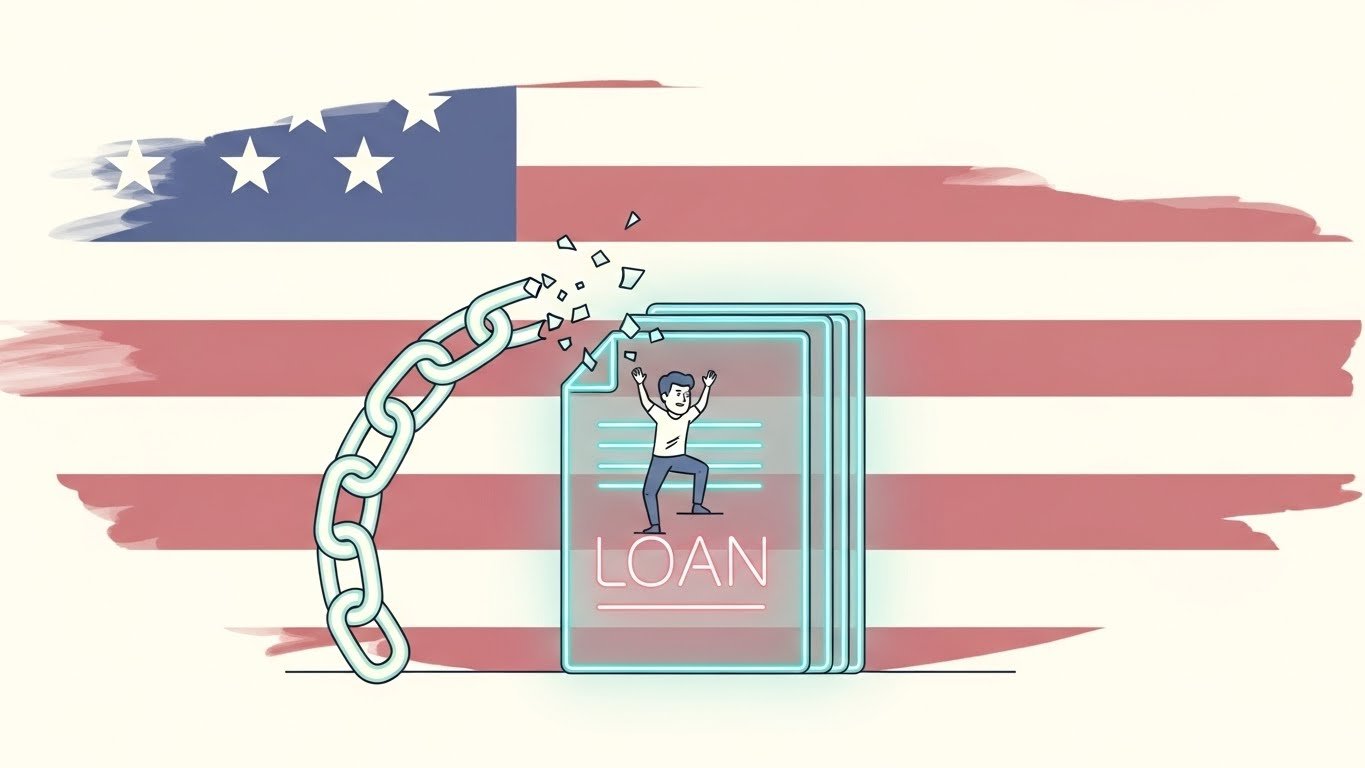
Debt is one of the most misunderstood areas of personal finance. Many people see debt as either “good” or “bad,” but the truth is far more nuanced. In 2026 — with higher interest rates, rising living costs, and record levels of consumer borrowing — understanding how debt really works is essential for financial stability. Used correctly, debt can create opportunities. Used poorly, it becomes a long-term burden.
This guide breaks down the modern debt landscape, how loans function today, and how to borrow strategically while avoiding the traps that catch millions of Americans each year.
The New Reality of Debt in 2026
After years of rising interest rates, borrowing has become more expensive across the board. Credit cards, auto loans, personal loans, and even home equity lines have adjusted upward. The result?
• Monthly payments are higher
• Approval standards are tougher
• Long-term costs have increased
This environment makes it critical to understand the true cost of borrowing before signing anything.
The Different Types of Debt — And How They Work
1. Credit Card Debt
The most expensive form of consumer debt. Typical APRs exceed 20% in 2026, meaning balances grow rapidly if not paid in full.
Best practice: treat credit cards as tools for convenience, not borrowing.
2. Personal Loans
Fixed-rate installment loans used for debt consolidation, home repairs, or emergencies. Rates vary widely depending on credit.
Best practice: use only when it lowers total interest or provides stability.
3. Auto Loans
Car prices remain high, and lenders are tightening approvals. Long-term loans (72–84 months) lower payments but increase total interest.
Best practice: keep terms as short as possible, avoid rolling over negative equity.
4. Student Loans
Federal programs offer flexible repayment options, but interest accrues quickly if payments are paused or reduced.
Best practice: choose income-driven repayment when necessary; refinance with caution.
5. Mortgages
Higher rates changed homebuying affordability, but mortgages remain the most efficient long-term debt for wealth-building.
Best practice: improve credit before applying; compare multiple lenders.
How Interest Really Works — The Hidden Cost Most People Miss
Interest doesn’t only determine how long you pay — it determines how much you pay overall. Even a 1–2% difference can cost tens of thousands over time.
Key insight:
Your interest rate is a reflection of your risk profile — not your worth.
Credit score, income stability, and debt-to-income ratio play major roles.
Understanding this empowers borrowers to negotiate, compare lenders, and improve terms before committing.
Debt Isn’t Always Bad — Here’s When It Helps
Strategic debt can:
• Build credit
• Increase net worth (mortgages, business loans)
• Smooth financial emergencies
• Consolidate high-interest balances
• Enable education or career mobility
The key is simple:
Debt should increase your long-term financial position — not reduce it.
If a loan doesn’t provide clear, measurable value, reconsider it.
The Debt Traps to Avoid in 2026
Some loans look helpful but become financial quicksand:
1. High-APR Personal Loans
Often marketed as “instant relief,” but convert short-term stress into long-term hardship.
2. Buy Now, Pay Later Overuse
BNPL makes spending invisible — leading to fragmented debt across multiple apps.
3. Payday Loans
Still among the highest-cost financial products in America.
4. Credit Card Minimum Payments
Designed to keep borrowers in debt as long as possible.
5. Refinancing Without Understanding the Terms
Lower monthly payments often hide higher total costs.
Knowing these traps is the first step to avoiding them.
How to Get Out of Debt — The Modern Debt-Free Framework
The most effective strategy in 2026 blends structure and psychology:
1. List all debts by balance, interest rate, and minimum payment
You can’t fix what you don’t measure.
2. Choose a payoff method:
Avalanche:
Pay highest-interest debt first (mathematically superior).
Snowball:
Pay smallest debts first (psychologically motivating).
Most people succeed with Snowball because it builds momentum.
3. Automate payments
Automation removes decision fatigue.
4. Increase income temporarily
Even $100–$300 per month accelerates payoff speed dramatically.
5. Negotiate with lenders
Hardship plans, lower rates, or extended terms may be available.
6. Stop adding new debt
A payoff plan works only when new balances don’t appear.
Signs You Should Consider Consolidation
Consolidation may help if:
• You have multiple high-interest debts
• Minimum payments are overwhelming
• Your credit is good enough to qualify for lower rates
• You want one predictable monthly payment
Consolidation is not a cure-all — but when used correctly, it simplifies and accelerates debt freedom.
TheDollarPulse Analysis
Debt in 2026 requires strategy, not fear. Borrowing is not inherently harmful — it becomes harmful when done without structure, understanding, or long-term planning.
The real lesson:
Good debt supports your goals. Bad debt undermines your future.
The difference is clarity.
Those who learn to evaluate loans wisely, avoid high-cost traps, and follow a consistent payoff plan can transform their financial life — even if they start deep in the red.
Debt freedom isn’t a dream. It’s a process. And it begins with understanding.