
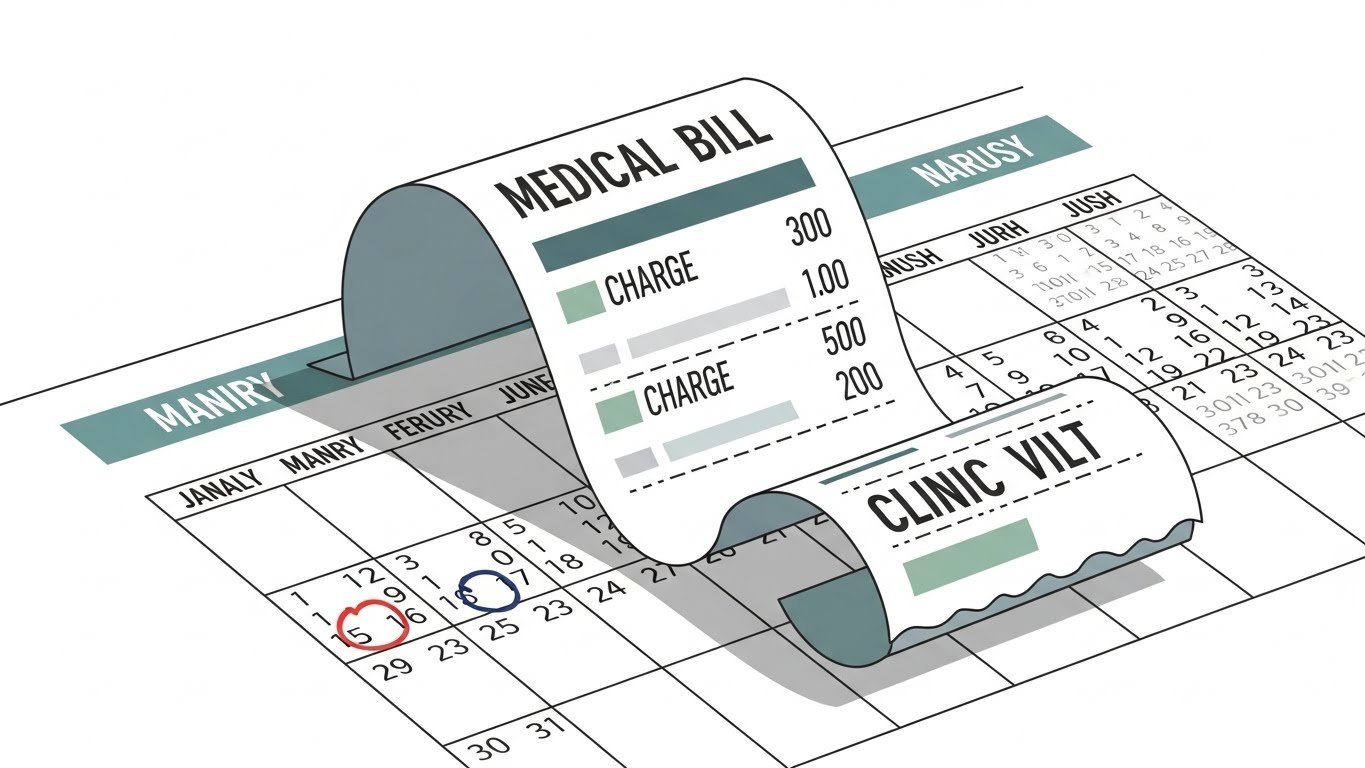
In 2026, many Americans are receiving medical bills weeks or even months after treatment. What once felt like a short billing cycle has become a prolonged and confusing process for patients trying to manage household finances.
This matters now because delayed medical bills disrupt budgeting. Expenses that seem resolved often reappear later, creating unexpected financial stress and complicating cash flow planning.
Why Medical Billing Is Slower in 2026
Several factors are extending billing timelines:
- More complex insurance verification
- Increased use of third-party billing services
- Longer claim review and adjustment cycles
- Delays between providers and insurers
Each step adds time before a final balance appears.
How Insurance Processing Adds Delays
Insurance claims often move through:
- Initial provider submission
- Insurer review and adjustment
- Patient responsibility calculation
- Secondary billing or appeals
Any interruption can extend the timeline significantly.
Why Patients Think Bills Are “Settled”
Many patients assume costs are resolved after:
- Paying a copayment
- Receiving an explanation of benefits
- Leaving the provider without a balance due
In reality, final charges often come later.
Who Is Most Affected
Delayed billing impacts:
- Patients with high-deductible plans
- Families using out-of-network services
- Individuals with multiple providers per visit
- Households managing tight monthly budgets
Complex care leads to complex billing.
How Late Bills Affect Household Finances
Surprise medical bills can:
- Disrupt savings plans
- Force use of credit
- Delay other payments
- Increase stress around healthcare decisions
Timing matters as much as amount.
Why Errors Are Harder to Catch
Longer delays make it harder to:
- Recall services received
- Compare bills with insurance statements
- Identify duplicate or incorrect charges
Late billing reduces transparency.
What Patients Are Watching More Closely
In response, many households are:
- Tracking visits and services manually
- Monitoring insurer portals regularly
- Saving explanation-of-benefits statements
Organization becomes essential.
Why This Matters for the Healthcare System
Delayed billing erodes trust and complicates cost transparency. It also affects how households perceive the true cost of care.
What to Watch Going Forward
Key indicators include:
- Average billing timelines
- Insurance processing speed
- Growth in patient billing disputes
These trends signal whether transparency improves.
Key Takeaway
In 2026, delayed medical billing is becoming the norm. U.S. households that expect costs to surface later — and plan accordingly — are better prepared to manage healthcare expenses without financial shock.