
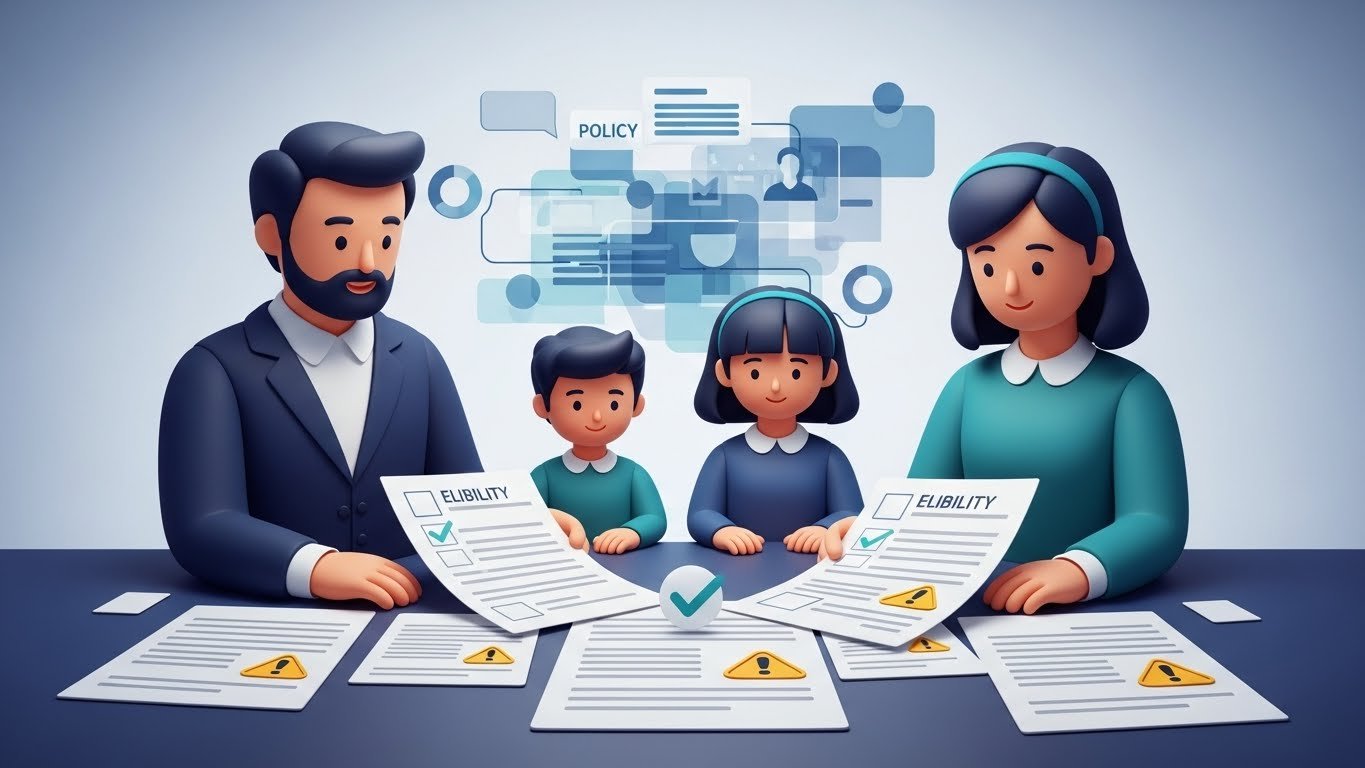
Government benefit programs in the U.S. are undergoing quiet but meaningful adjustments in 2026. While benefits are not disappearing, eligibility rules, income thresholds, and verification processes are tightening — causing some recipients to lose access or receive reduced payments.
For households that rely on these programs, understanding the changes is critical.
Why Eligibility Rules Are Tightening
Several factors are driving updates:
- Budget pressures at the federal and state levels
- Increased focus on fraud prevention
- Better income and employment data matching
- Program sustainability concerns
As systems improve, oversight becomes stricter.
Which Benefits Are Most Affected
Programs seeing the most changes include:
- Income-based assistance programs
- Housing-related benefits
- Healthcare subsidies
- Nutrition assistance
Even small income changes can now trigger reviews.
Who Is Most at Risk of Losing Benefits
Recipients most affected include:
- Households with fluctuating income
- Gig and contract workers
- Beneficiaries who fail to update information
- Individuals missing recertification deadlines
Administrative issues are becoming as important as eligibility itself.
Common Mistakes That Reduce or End Benefits
Frequent errors include:
- Missing renewal notices
- Reporting income late or inaccurately
- Failing to respond to verification requests
- Assuming eligibility automatically continues
These mistakes often lead to sudden benefit interruptions.
How to Protect Your Benefits
Practical steps include:
- Updating income changes promptly
- Tracking recertification deadlines
- Keeping documentation organized
- Responding quickly to notices
- Reviewing eligibility rules annually
Preparation prevents unnecessary loss.
Why This Matters for Household Stability
Benefit reductions can quickly affect housing, healthcare, and food security. For many families, these programs bridge critical gaps in tight budgets.
The Key Takeaway
In 2026, government benefits depend as much on compliance as eligibility. Households that stay informed and proactive are far more likely to maintain support and avoid unexpected disruptions.