Government benefit programs are expanding and adjusting in 2026, yet millions of eligible Americans are not receiving assistance simply because they don’t realize they qualify — or they apply incorrectly. From income-based credits to cost-of-living relief programs, eligibility rules have become more nuanced, not more generous.
Understanding how qualification works — and where most applications fail — is increasingly important for households under financial pressure.
Why Eligibility Rules Changed in 2026
Rising living costs and uneven wage growth pushed policymakers to recalibrate income thresholds, documentation requirements, and verification systems. At the same time, agencies introduced tighter fraud-prevention controls, increasing the number of denied or delayed applications.
The result is a system that offers help — but only to those who navigate it correctly.
Who Is Most Likely to Qualify
Eligibility varies by program, but the groups most commonly approved include:
- Low- to middle-income households
- Workers with dependents
- Seniors on fixed incomes
- Individuals experiencing recent income loss
- Part-time or contract workers meeting income caps
Small differences in reported income or household size can determine approval.
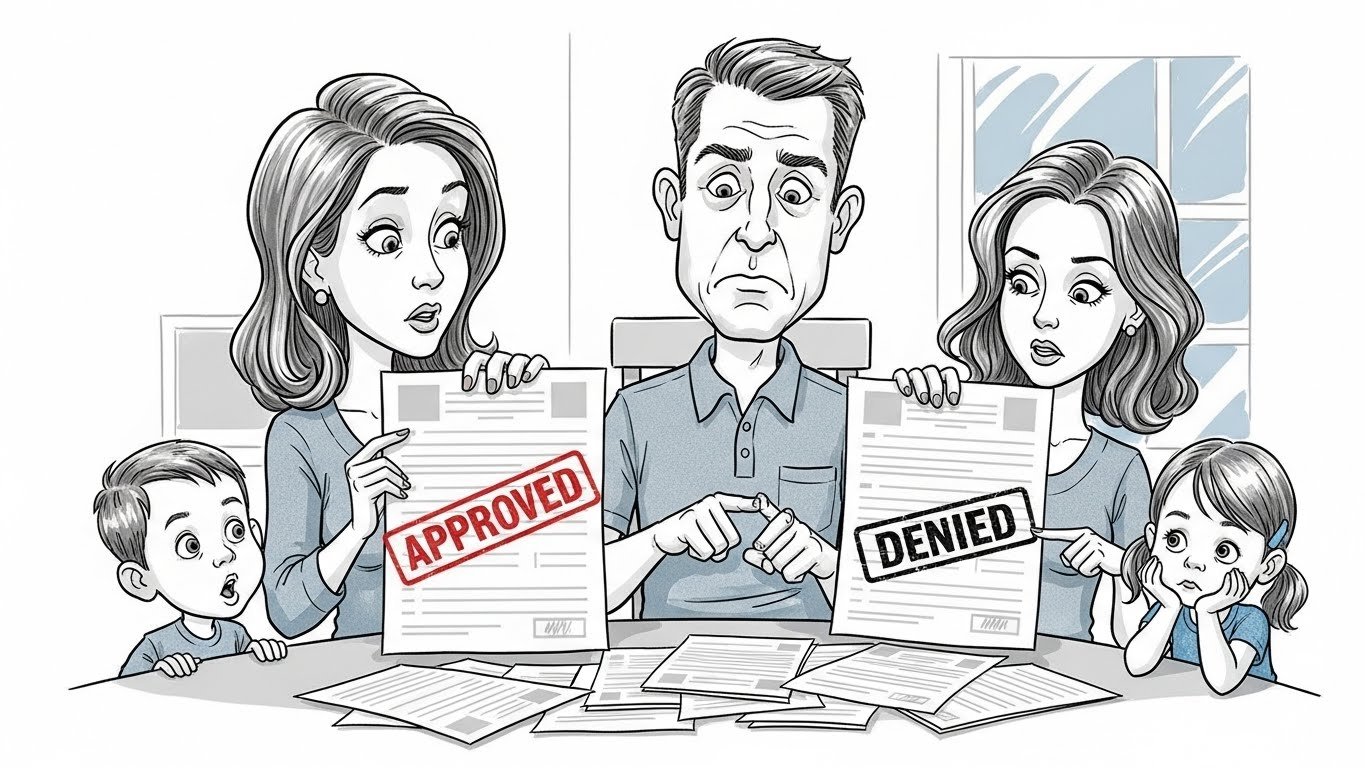
Common Reasons Applications Are Denied
Many denials happen for avoidable reasons:
- Incomplete documentation
- Outdated income information
- Mismatched household data
- Missed deadlines
- Incorrect filing status
Automated verification systems flag inconsistencies quickly, often without human review.
How Income Thresholds Are Really Applied
Income limits are not always based on gross pay alone. Agencies may consider:
- Adjusted income
- Recent employment changes
- Monthly averages versus annual totals
- Household composition
Applicants who don’t understand these calculations may assume they’re ineligible when they are not.
How to Improve Approval Odds
Practical steps that increase success:
- Gather all income documentation before applying
- Double-check household details
- Apply as soon as eligibility opens
- Respond promptly to verification requests
- Keep copies of all submissions
Attention to detail often matters more than income level.
Why These Benefits Matter in 2026
For many households, approved benefits can offset rising costs in housing, food, healthcare, or utilities. Missing out can mean unnecessary reliance on credit or depleted savings.
The Key Takeaway
Millions may qualify for government benefits in 2026, but eligibility depends on precision, timing, and understanding the rules. Knowing how the system evaluates applications can unlock support that many households need — and deserve.