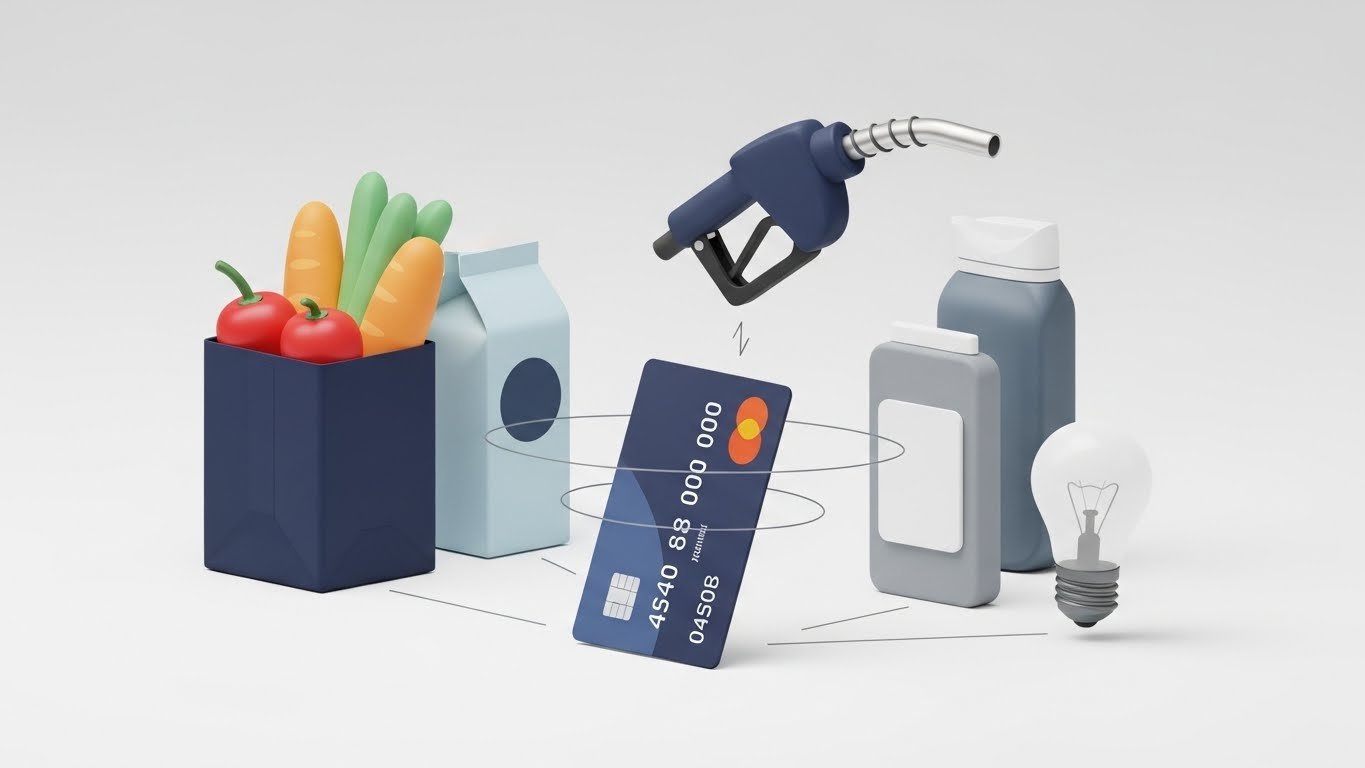
In 2026, a growing number of Americans are relying on credit cards to pay for everyday expenses. Groceries, fuel, utilities, and even insurance payments are increasingly being charged rather than paid in cash.
This matters now because using revolving credit for essentials changes the cost structure of daily life. What feels convenient in the moment can quietly increase interest expenses and financial stress over time.
Why Credit Cards Are Covering Essentials
Several pressures are driving this shift:
- Higher prices for food and household goods
- Rising fixed expenses like rent and insurance
- Slower real wage growth
- Limited emergency savings
Credit cards fill short-term gaps when cash flow tightens.
How Everyday Charges Change Credit Risk
Using cards for essentials often means balances are:
- Carried month to month
- Paid down slowly
- Replenished regularly
This keeps utilization elevated and interest accruing continuously.
Why Interest Becomes a Monthly Expense
When balances remain unpaid, interest effectively turns necessities into higher-cost purchases. Over time, households pay more for the same goods — without noticing immediately.
Interest compounds quietly in the background.
Who Is Most Affected in 2026
This pattern is most common among:
- Middle-income households
- Families managing rising fixed costs
- Consumers without cash buffers
- Cardholders relying on minimum payments
What starts as a temporary solution often becomes routine.
How This Affects Credit Scores
Higher balances can:
- Increase utilization ratios
- Trigger score declines
- Reduce future borrowing flexibility
Even perfect payment history may not offset utilization effects.
Why This Pattern Is Hard to Reverse
Because expenses are recurring, balances refill after each payment. Without surplus cash, reducing principal becomes difficult.
The cycle persists unless cash flow improves.
What Households Are Watching More Closely
Many consumers are now monitoring:
- Statement closing dates
- Interest charges per cycle
- Balance trends over time
Awareness is the first step toward control.
Why This Matters for Household Stability
Financing essentials with credit signals tighter margins. Over time, it reduces resilience and increases vulnerability to income disruptions.
What to Watch Going Forward
Key indicators include:
- Average card balances
- Revolving credit growth
- Delinquency rates on small balances
These often lead broader financial stress.
Key Takeaway
In 2026, using credit cards for everyday expenses feels normal — but it carries hidden costs. U.S. households that recognize how interest compounds on essentials are better positioned to protect cash flow and credit health.