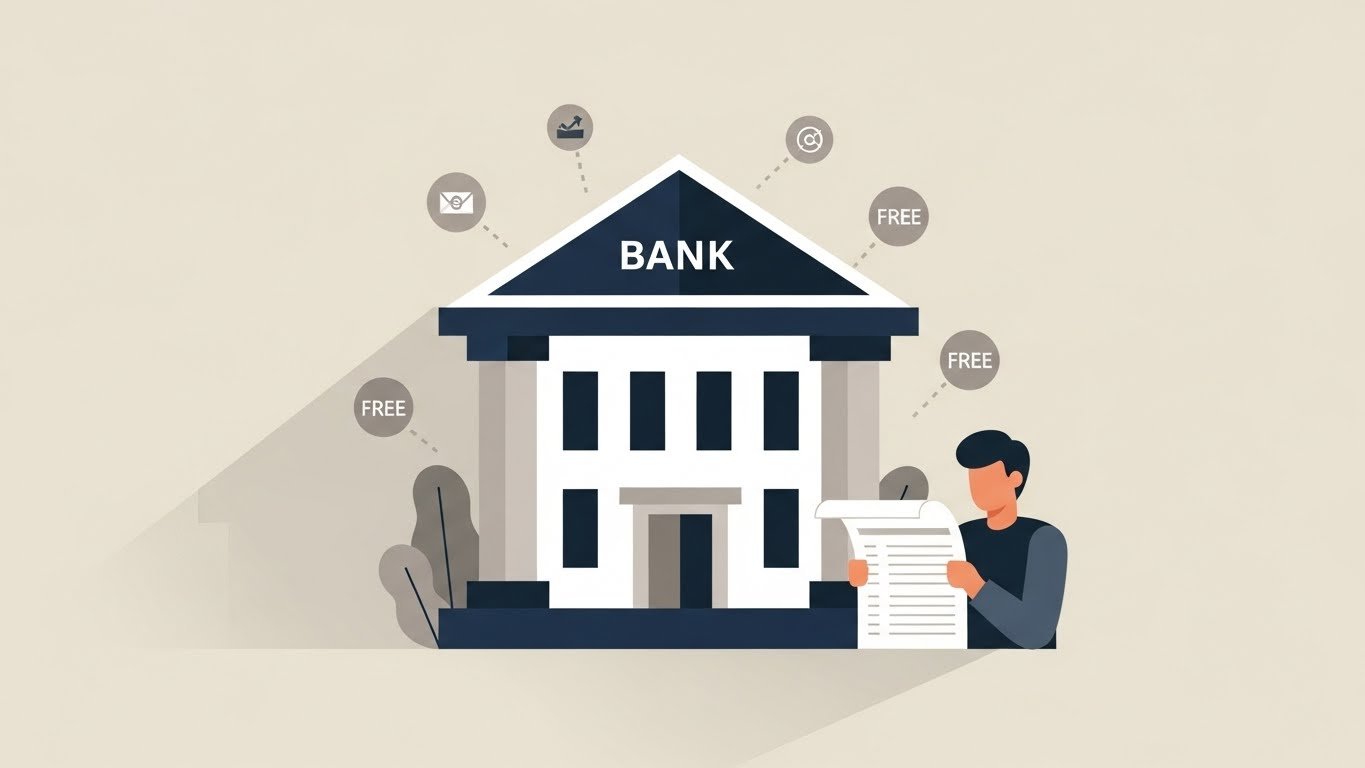
Banks are adjusting account policies in 2026, and many customers are only noticing the changes after fees appear on their statements. New rules tied to compliance costs, interest rate volatility, and profitability targets are reshaping how checking and savings accounts are priced — often in subtle ways.
While banks frame these updates as “policy adjustments,” the real impact shows up in higher monthly fees, stricter balance requirements, and reduced flexibility for everyday consumers.
What Changed in 2026 Banking Policies
Several trends are driving the shift:
- Higher regulatory compliance costs
- Increased fraud prevention expenses
- Greater scrutiny of low-balance accounts
- Pressure to improve net interest margins
As a result, banks are revising fee structures and account eligibility requirements, especially for entry-level and “free” accounts.
Accounts Most Affected by New Fees
Low-Balance Checking Accounts
Customers who keep smaller balances are more likely to face monthly maintenance fees unless they meet new minimums or direct deposit thresholds.
Savings Accounts With Low Activity
Some banks now require higher balances to avoid fees or limit withdrawals more aggressively, reducing flexibility.
Infrequent Direct Deposit Users
Accounts without consistent payroll deposits are increasingly categorized as higher-risk or lower-value.
Why Banks Are Closing Accounts More Aggressively
Account closures have increased in 2026, often due to:
- Prolonged inactivity
- Repeated overdrafts
- Suspected fraud patterns
- Failure to meet updated account criteria
These closures can disrupt automatic payments, direct deposits, and credit reporting connections if not managed carefully.
Hidden Costs Many Customers Miss
The most common overlooked costs include:
- Tiered maintenance fees
- Overdraft protection changes
- ATM network restrictions
- Paper statement charges
- Reduced interest on low balances
Individually small, these fees can add up significantly over a year.
Who Is Most at Risk of Paying More
Consumers most affected tend to be:
- Those with fluctuating income
- People maintaining minimal balances
- Individuals relying on overdraft coverage
- Customers who haven’t reviewed account terms recently
Banks assume many customers won’t notice changes until fees accumulate.
How to Protect Yourself From Rising Banking Fees
Practical steps to reduce exposure:
- Review account terms at least once a year
- Set alerts for balance thresholds
- Switch to fee-free or online-first banks if eligible
- Consolidate accounts to meet minimum balance requirements
- Disable optional paid features you don’t use
Small adjustments can prevent recurring charges.
What This Means for Everyday Banking
Banking in 2026 rewards attentiveness. Customers who actively manage accounts, monitor fee structures, and adapt to new rules can still avoid unnecessary costs. Those who don’t may find banking quietly becoming more expensive.
The Key Takeaway
New banking rules aren’t loud — but they are costly. Understanding how fees are changing and who they target allows consumers to stay ahead, protect cash flow, and avoid paying more than necessary.