
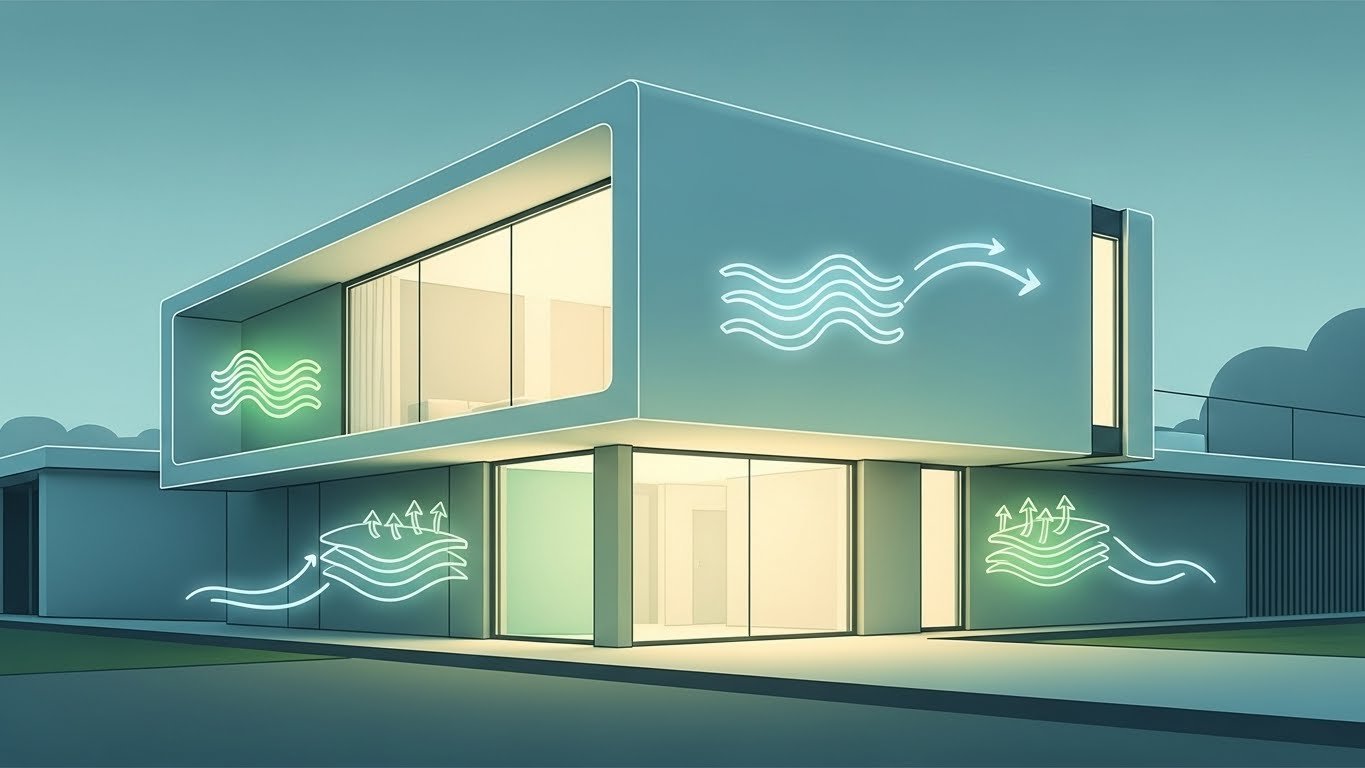
Scientific breakthroughs often sound distant from everyday life, but in 2026 some applied energy innovations are beginning to affect household expenses in measurable ways. From more efficient materials to smarter energy management systems, science is quietly influencing how much families pay to power their homes.
The changes aren’t dramatic overnight — but they are cumulative, and they matter.
Why Energy Costs Are a Science Problem
Rising energy bills aren’t driven only by prices. Inefficiency plays a major role. Heat loss, outdated appliances, and poor energy distribution waste power before it ever delivers value.
Applied science focuses on reducing this waste — not just producing more energy.
Breakthroughs Moving From Labs to Homes
Several developments are gaining traction:
- Advanced insulation materials that reduce heat loss
- Smart energy systems that optimize usage automatically
- More efficient heat pumps and cooling technologies
- Improved battery storage for residential use
These innovations aim to lower consumption without sacrificing comfort.
How Small Efficiency Gains Reduce Bills
A few percentage points of efficiency improvement may seem minor, but over a year they can significantly reduce utility costs. When combined across heating, cooling, and appliances, the savings add up.
Households adopting newer systems often see steadier bills with fewer seasonal spikes.
Who Benefits the Most From These Changes
The biggest impact is seen among:
- Homeowners in extreme climates
- Households with older infrastructure
- Families with high heating or cooling usage
- Consumers investing in gradual upgrades
Renters benefit more slowly, depending on property improvements.
Why Adoption Is Still Gradual
Despite benefits, barriers remain:
- Upfront costs
- Limited awareness
- Slow rollout by utilities
- Inconsistent incentives
As adoption increases and costs fall, these technologies become more accessible.
What This Means for the Broader Economy
Lower household energy costs free up spending for other areas, reduce reliance on credit, and improve financial resilience. Over time, applied science plays a quiet but meaningful role in cost-of-living stability.
The Key Takeaway
Science in 2026 isn’t just advancing knowledge — it’s slowly reshaping household expenses. Families who understand where efficiency gains are happening can make smarter decisions that pay off over time.