
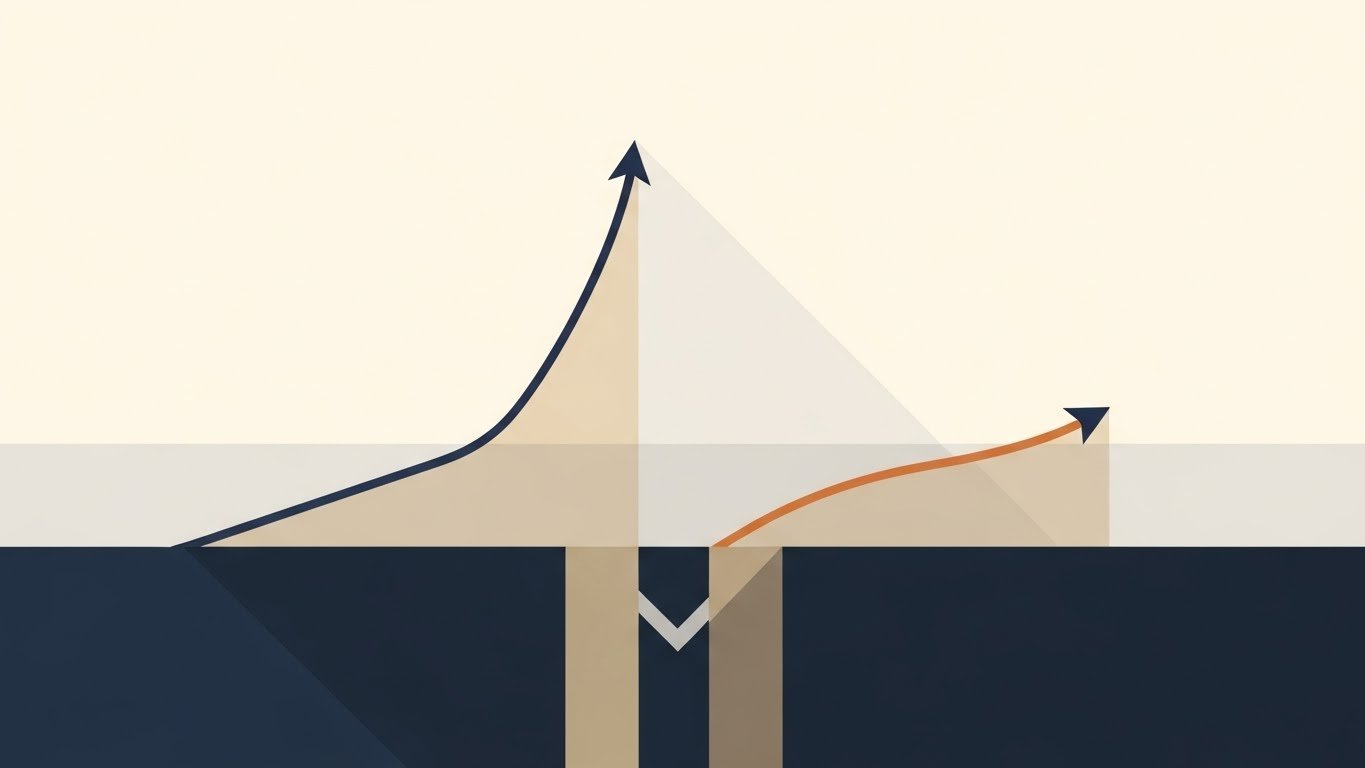
Retirement accounts are performing very differently in 2026, even among savers with similar incomes. While some balances continue to grow steadily, others are stagnating or falling behind. The difference often comes down to small, overlooked decisions rather than dramatic market moves.
Understanding these gaps can help savers course-correct before it’s too late.
Why Retirement Results Are Diverging
Several factors are widening the gap:
- Fee structures across different plans
- Contribution consistency
- Asset allocation choices
- Timing of withdrawals or rebalancing
- Behavioral reactions to market volatility
These elements compound over time.
How Fees Quietly Reduce Long-Term Growth
High expense ratios and administrative fees reduce returns every year. Over decades, even a small fee difference can translate into tens of thousands of dollars lost.
Many savers never review fee disclosures.
The Role of Asset Allocation
Portfolios that drift too conservative too early may miss growth, while overly aggressive allocations can expose savers to unnecessary volatility.
Balance matters more than perfect timing.
Behavioral Mistakes That Hurt Returns
Common issues include:
- Panic selling during downturns
- Chasing recent performance
- Stopping contributions temporarily
- Ignoring rebalancing
These behaviors often do more damage than market conditions themselves.
Who Is Most at Risk of Falling Behind
Savers most vulnerable include:
- Those nearing retirement without a clear plan
- Individuals with multiple unmanaged accounts
- Workers relying solely on employer defaults
- People who avoid reviewing statements
Inattention carries a cost.
Steps That Still Improve Outcomes
Even in 2026, savers can:
- Review fees and fund choices
- Increase contributions gradually
- Rebalance portfolios annually
- Align risk with time horizon
- Avoid emotional reactions to markets
Small adjustments can significantly improve outcomes.
Why This Matters Now
Retirement flexibility depends on preparedness. Inconsistent results highlight the importance of engagement, not just participation.
The Key Takeaway
In 2026, retirement success is increasingly shaped by everyday decisions. Savers who stay informed and proactive are far more likely to achieve stable, sustainable outcomes.