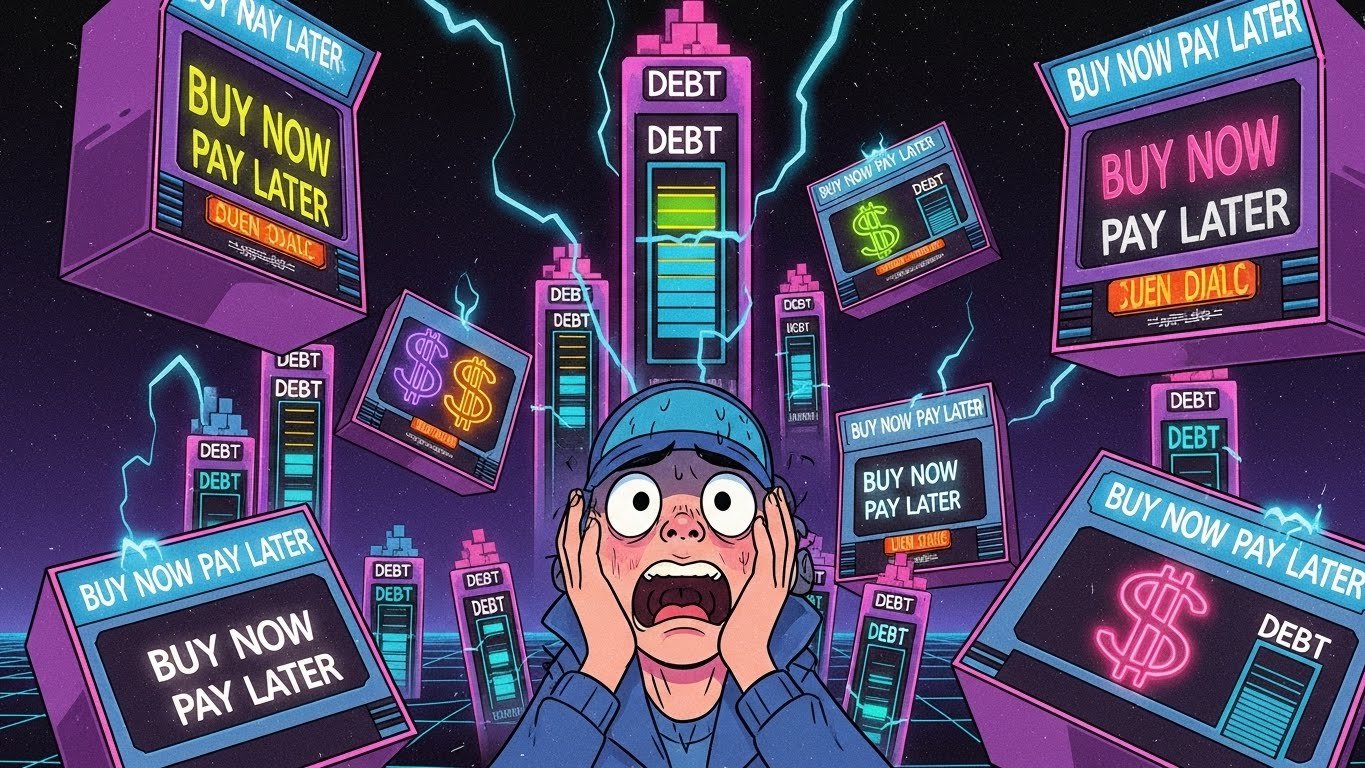
Buy Now, Pay Later (BNPL) exploded in popularity because it feels harmless: split a purchase into four payments, no interest, no pressure. But in 2026, BNPL has become one of the fastest-growing sources of hidden debt — especially for Millennials and Gen Z, who use it more often than credit cards. What looks like convenience is, for many, becoming a silent financial trap.
BNPL doesn’t feel like debt. That’s the problem.
1. BNPL Tricks Your Brain Into Thinking You’re Spending Less
Psychologically, paying $25 four times feels cheaper than paying $100 once.
BNPL companies know this — and use it to push larger, more frequent purchases.
This leads to:
- impulse buying
- stacking multiple BNPL plans
- losing track of payment dates
- overspending beyond your real budget
The more BNPL options appear at checkout, the more people fall into this pattern.
2. The Average User Has 4–7 Active BNPL Plans — and Doesn’t Realize It
In 2026, BNPL platforms now integrate with:
- clothing stores
- electronics retailers
- food delivery apps
- travel bookings
- subscription services
These micro-payments blend into the background of your bank account.
You don’t feel the impact until payments stack on top of each other.
3. Missed BNPL Payments Hit Harder Than People Expect
It’s not “interest-free” anymore when you miss a payment.
Penalties include:
- late fees
- account freezes
- negative credit reporting (new in 2025–2026)
- increased future interest rates
- reduced approval limits
A single missed BNPL cycle can damage your financial profile.
4. BNPL Is Fueling a Rise in “Lifestyle Debt”
Unlike credit cards used for essentials, BNPL is often used for:
- fashion
- electronics
- travel
- dining
- luxury items
This creates a dangerous cycle:
short-term pleasure, long-term financial pressure.
5. How to Break the BNPL Overspending Pattern
A few steps can protect your finances immediately:
- track all active BNPL plans
- avoid stacking purchases in multiple apps
- use BNPL only for essentials (if at all)
- prefer debit or cash for discretionary spending
- set reminders for every installment
Awareness is the best financial defense.
Bottom Line
BNPL feels modern, easy, and harmless — but it is quietly destabilizing budgets across America.
If you want financial control, recognize the trap before it pulls you in.