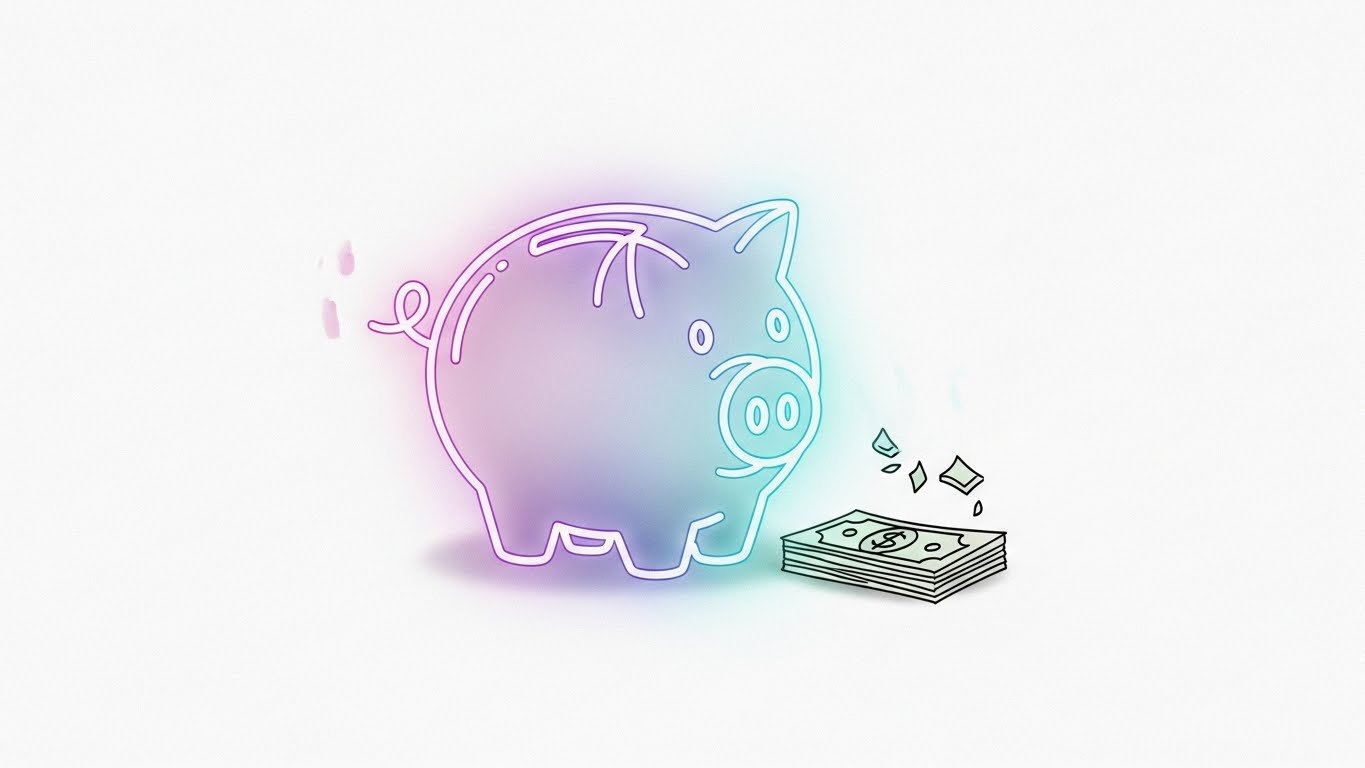
Emergency funds are supposed to protect you — not lose value quietly in the background. But in 2026, millions of Americans are unaware that their “safe” savings are shrinking due to inflation, low interest rates on traditional accounts, and outdated banking habits. What you believe is stability may actually be erosion.
The danger isn’t that your money is disappearing.
It’s that you don’t feel the loss until it’s too late.
1. Traditional Savings Accounts Are Falling Behind
Most big banks still offer:
- 0.01% to 0.10% APY
- slow compounding
- no meaningful growth
Meanwhile, the cost of living has risen year after year.
If your savings don’t grow at least close to inflation, you’re losing purchasing power.
Your emergency fund remains the same number… but buys less every year.
2. Inflation Is Quiet — but Brutal
Even in 2026, moderate inflation still impacts:
- groceries
- utilities
- rent
- medical care
- transportation
- insurance premiums
An emergency fund built in 2022 or 2023 might already be underfunded today without you realizing it.
3. The Most Common Mistake: Letting Your Emergency Fund Sit Unmonitored
People set it and forget it.
But emergency funds are not one-time projects — they’re living financial tools.
You must:
- adjust for inflation
- update based on lifestyle changes
- revisit based on income growth
- evaluate rising monthly expenses
If your life changes, your emergency fund must change too.
4. The Smart 2026 Alternative: High-Yield Accounts + Liquidity
Your emergency fund should be both:
- liquid (easy to access)
- growing (earning interest)
High-yield savings accounts now offer 4%–5% APY, which helps reduce value loss.
Money market accounts and short-term Treasury-backed products also help protect against inflation without sacrificing liquidity.
5. A Modern Emergency Fund Needs a Modern System
A strong plan in 2026 includes:
- 3–6 months of expenses
- stored in a high-yield savings account
- reviewed quarterly
- automated transfers
- inflation-adjusted goals
Financial safety comes from consistent attention — not letting money sit in the dark.
Bottom Line
Your emergency fund is your first line of defense.
But if you park it in the wrong place, inflation erodes its strength over time.
In 2026, protecting your savings means updating where you store them — and how you maintain them.