
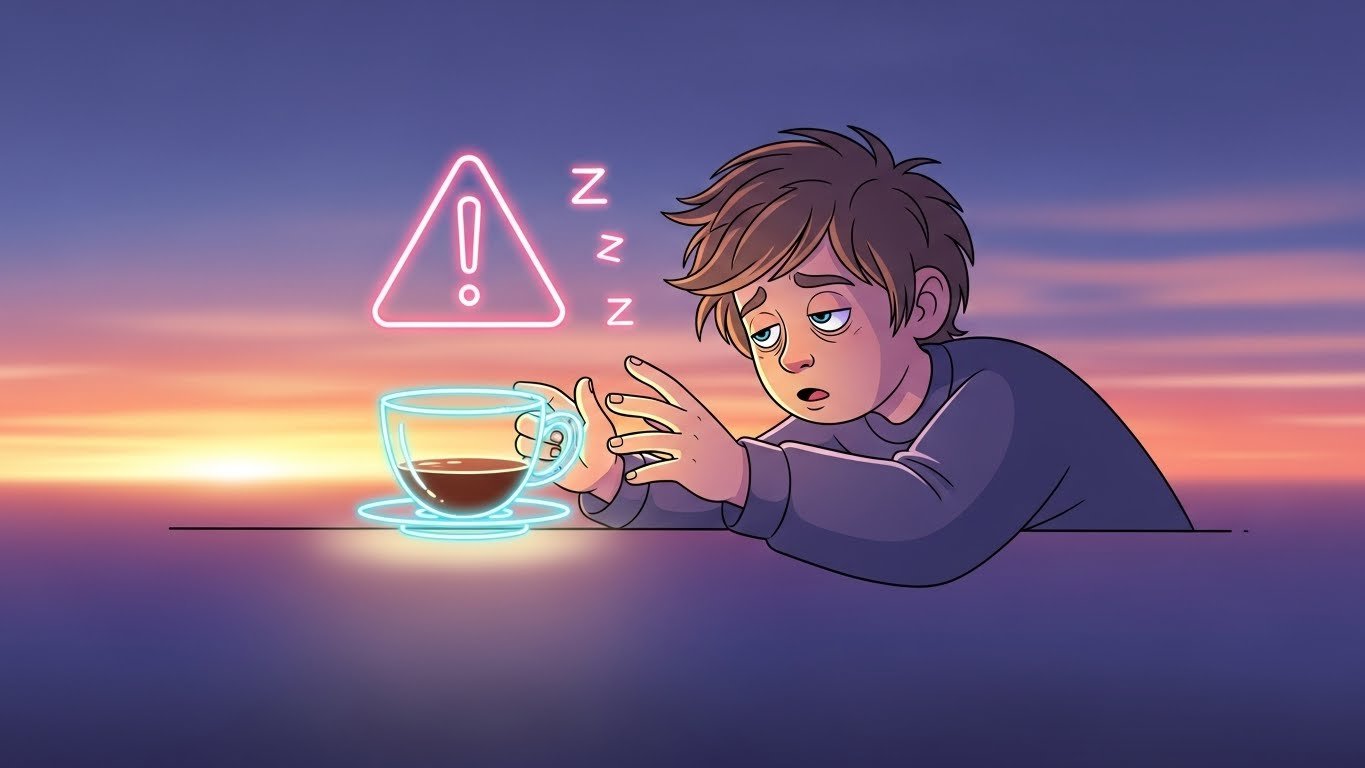
A surprising trend is emerging among health researchers in 2026: millions of people believe they’re improving their well-being with a daily routine that may actually be working against them. From fitness influencers to productivity gurus, the push toward “optimized mornings” has taken over social media — yet new studies show that one of the most common habits in these routines is quietly harming sleep, energy levels, and stress response.
The problem? Early caffeine timing.
For years, the idea of drinking coffee immediately after waking up has been encouraged as a productivity booster. But researchers now warn that consuming caffeine too early interferes with cortisol cycles — the natural hormone rhythm that helps regulate alertness. Instead of enhancing focus, early caffeine spikes may trigger mid-morning crashes, increased anxiety, and poor-rested feeling even after full sleep.
What’s more, many people compensate for this crash with additional caffeine, creating a cycle of overconsumption that disrupts sleep quality at night. Health experts say this feedback loop may be contributing to rising reports of chronic fatigue, burnout, and daytime sluggishness.
The fix, according to new studies, is simple: delay caffeine intake by 60–90 minutes after waking. This small shift aligns caffeine with the body’s natural energy curve, improving alertness, stabilizing mood, and supporting healthier sleep architecture.
For millions chasing better focus, improved energy, and reduced stress, the biggest gain of 2026 may come from adjusting one small morning habit — not adding a new one.