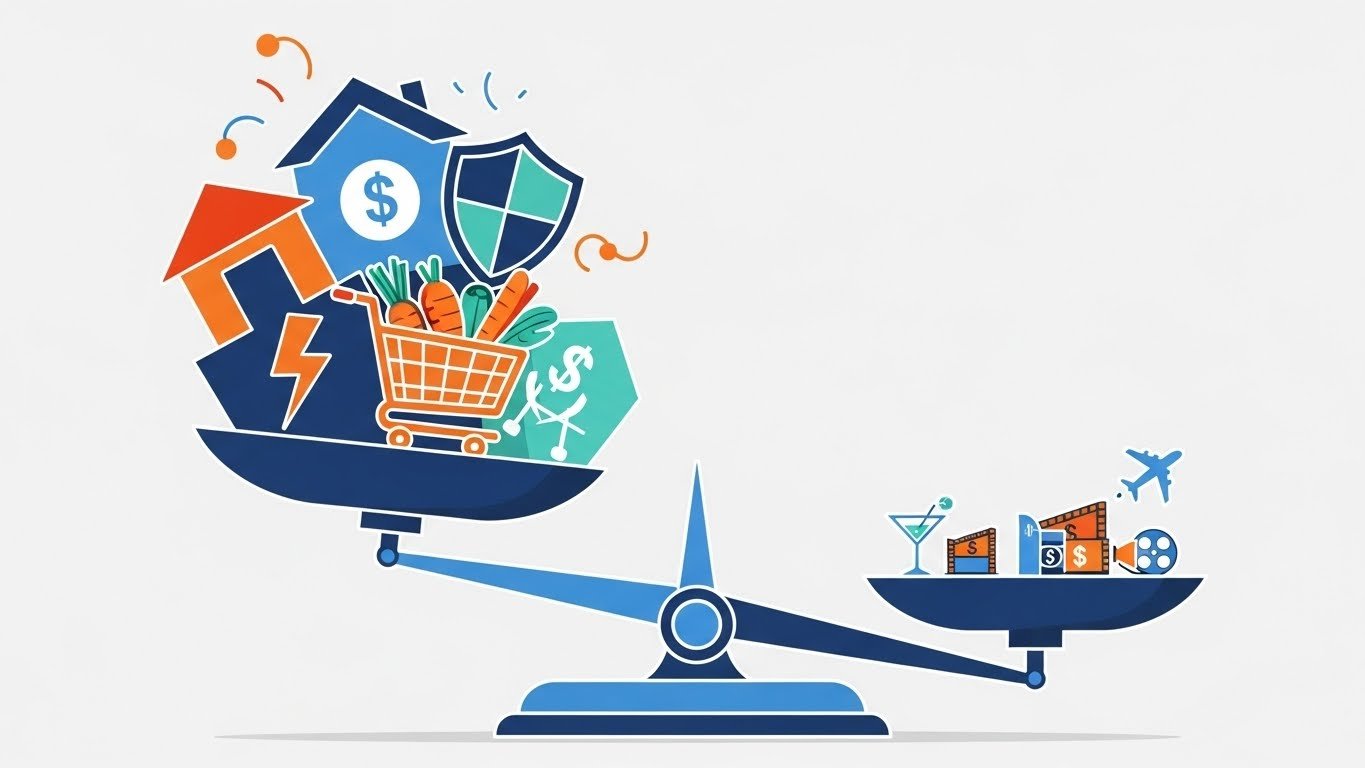
Official inflation numbers suggest price pressures are easing in 2026. But for many households, daily expenses tell a different story. Rent, insurance, utilities, groceries, and essential services continue to rise at rates that outpace headline inflation — creating a growing gap between reported data and lived reality.
Economists call this the “experienced inflation gap,” and it’s becoming a defining issue for middle-income families.
Why Inflation Feels Higher Than Reported
Inflation indexes are averages. They don’t fully capture how much households spend on essentials versus discretionary items. In 2026, the fastest-rising costs are concentrated in categories people can’t easily avoid.
Key pressure points include:
- Housing-related expenses
- Auto insurance and maintenance
- Healthcare services
- Utilities and energy
- Food consumed at home
When essentials rise faster than non-essentials, inflation feels more severe — even if overall indexes slow.
Housing and Insurance Lead the Increases
Housing remains the largest monthly expense for most Americans. While rent growth has moderated in some markets, insurance, maintenance, and property-related costs continue to climb.
Auto and home insurance premiums are rising sharply due to:
- Higher repair costs
- Increased claims frequency
- Climate-related risk adjustments
- Tighter underwriting standards
These costs hit regardless of consumer spending choices.
Why Wages Aren’t Keeping Up for Everyone
Wage growth exists, but it’s uneven. Many workers see nominal raises that fail to match increases in fixed expenses. This creates a squeeze where income rises on paper, but disposable cash shrinks in practice.
Households with variable income or limited negotiating power feel the pressure most acutely.
How the Cost-of-Living Shift Affects Financial Behavior
Consumers are adapting in noticeable ways:
- Delaying large purchases
- Prioritizing essentials over upgrades
- Increasing credit card usage for necessities
- Reducing savings contributions
- Seeking side income to stabilize cash flow
These behaviors signal caution rather than panic — but they also increase long-term financial vulnerability.
What Households Can Do to Reduce the Impact
Practical steps to manage rising costs include:
- Reviewing insurance policies annually
- Shopping utilities and service providers
- Renegotiating housing-related fees where possible
- Tracking essential spending categories closely
- Building emergency buffers for fixed expenses
Small optimizations can meaningfully reduce monthly strain.
What This Means for the U.S. Economy
When households feel cost pressure, spending patterns shift. Discretionary sectors slow, while essential services remain resilient. This dynamic influences employment, business investment, and policy decisions throughout 2026.
The Key Takeaway
Inflation data may be cooling, but the real cost of living continues to rise for many Americans. Understanding where the pressure comes from — and adjusting financial strategies accordingly — is becoming essential for maintaining stability in 2026.