Budgeting has evolved far beyond spreadsheets and strict spending rules. In 2026, the smartest budgeting systems are flexible, automated, and psychology-backed — helping people make confident financial decisions without feeling burdened by the process. The real goal of budgeting today isn’t control. It’s clarity. When you understand where your money goes, you gain the power to decide what actually matters.
This guide breaks down the modern budgeting framework that works for real life, not theory — whether you’re managing a household, building savings, or trying to break a paycheck-to-paycheck cycle.
Why Budgeting Fails for Most People — And How to Fix It
Most budgeting attempts fail for the same reason: they rely on willpower. Humans aren’t wired for long-term discipline, especially with constant digital distractions and rising costs. Budgets that depend on daily decision-making almost always collapse.
A successful budgeting system removes friction. It automates key steps, organizes spending into meaningful categories, and creates predictable routines that reduce stress. The point is not to restrict — it’s to design a financial environment where good decisions happen naturally.
The 50/30/20 Framework Still Works — With Important Modern Adjustments
The classic rule divides income into:
• 50% Needs
• 30% Wants
• 20% Savings & Debt Payments
But in 2026, rising housing costs, inflation pressures, gig-work income variability, and digital subscription creep require a more flexible version:
The Updated 2026 Budgeting Rule:
50–60% Needs
20–30% Wants
10–20% Savings (or debt if necessary)
The point is not hitting perfect ratios — it’s creating a structure you can sustain without financial stress.
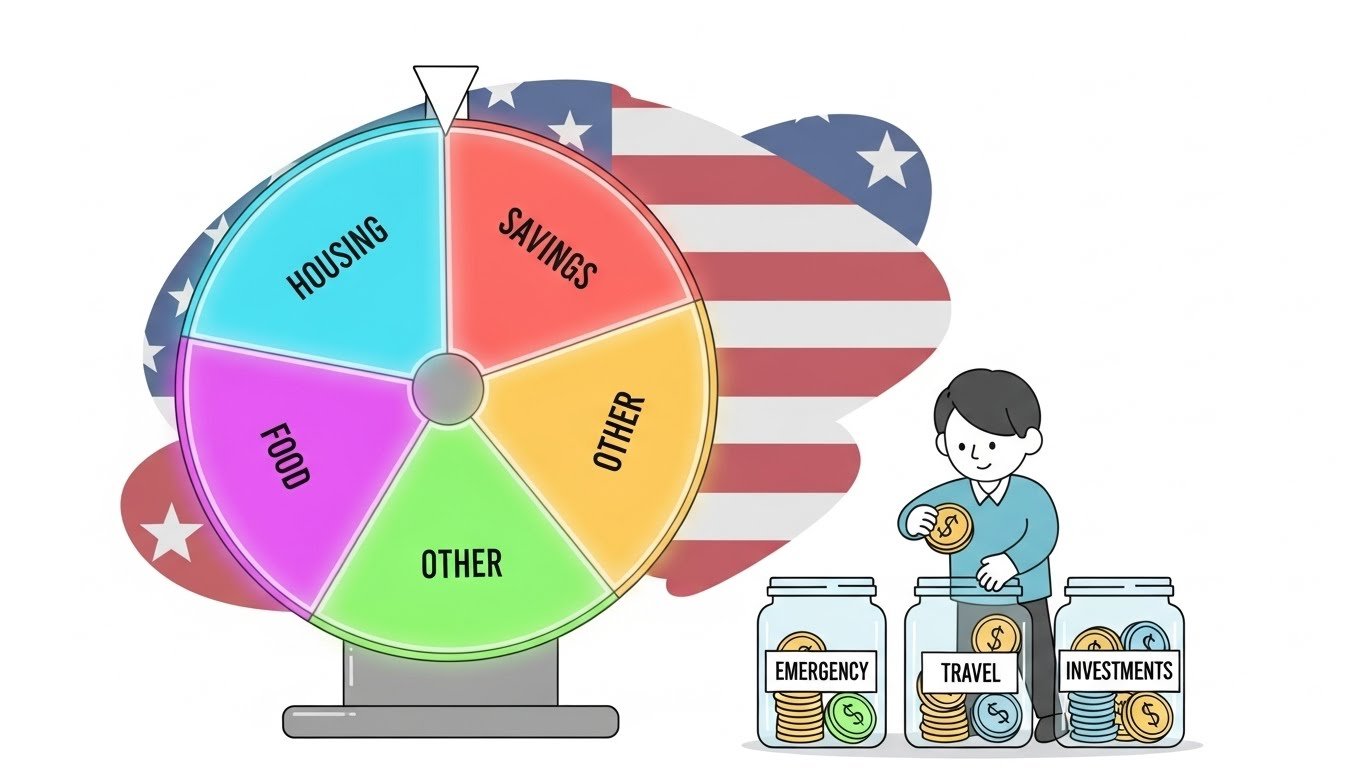
The 4–Bucket Budget: The Most Practical Model of 2026
This simplified system is becoming the most recommended by financial planners:
1. Essentials Bucket
Rent, utilities, groceries, transportation, insurance.
2. Lifestyle Bucket
Dining out, hobbies, entertainment, travel, subscriptions.
3. Savings & Security Bucket
Emergency fund, investments, retirement contributions.
4. Flex Bucket
Unexpected expenses, irregular bills, gifts, repairs.
This format is easy to track, works on any income level, and reduces guilt because everything has a purpose.
Automation: The Secret Weapon of Modern Budgeting
Instead of manually tracking every dollar, let systems work for you.
Automation ideas that work:
• Direct deposit split into savings automatically
• Automatic credit card payments to avoid late fees
• Subaccounts for travel, holidays, or large purchases
• Weekly balance notifications
• Subscription trackers to stop silent spending leaks
Consumers who automate save significantly more because they remove emotion from the process.
The Psychology Behind Better Budgeting
Budgets succeed when they align with real human behavior:
1. Make wins visible.
Savings trackers and progress bars trigger motivation.
2. Reduce decision fatigue.
Set spending limits weekly instead of daily.
3. Use friction strategically.
If you overspend online, remove saved cards from browsers.
4. Celebrate consistency, not perfection.
Budgeting is a pattern — not an exam.
How to Handle Irregular Income in 2026
For freelancers, gig workers, and side-hustlers, budgeting must focus on predictability rather than exact numbers.
The rule:
Base your budget on your minimum monthly income, not your average.
Surplus income becomes:
• Emergency fund padding
• Quarterly tax planning
• Investment contributions
• Business reinvestment
This prevents financial whiplash between good and bad months.
TheDollarPulse Analysis
The biggest misconception about budgeting is that it limits freedom. In reality, the right budgeting system creates freedom — because it gives your money direction instead of letting it drift.
The 2026 budgeting strategy is simple:
• Use a structure that fits your lifestyle
• Automate everything possible
• Track progress visually
• Adjust your buckets as life changes
Budgeting is not about perfection. It’s about designing a financial foundation that supports your goals effortlessly.
Whether you’re saving, paying off debt, or looking for peace of mind, an effective budget is one of the most powerful financial tools you can adopt this year.