Key Takeaways
- Income and expenses move independently.
- Matching pace does not mean progress.
- Fatigue builds even without setbacks.
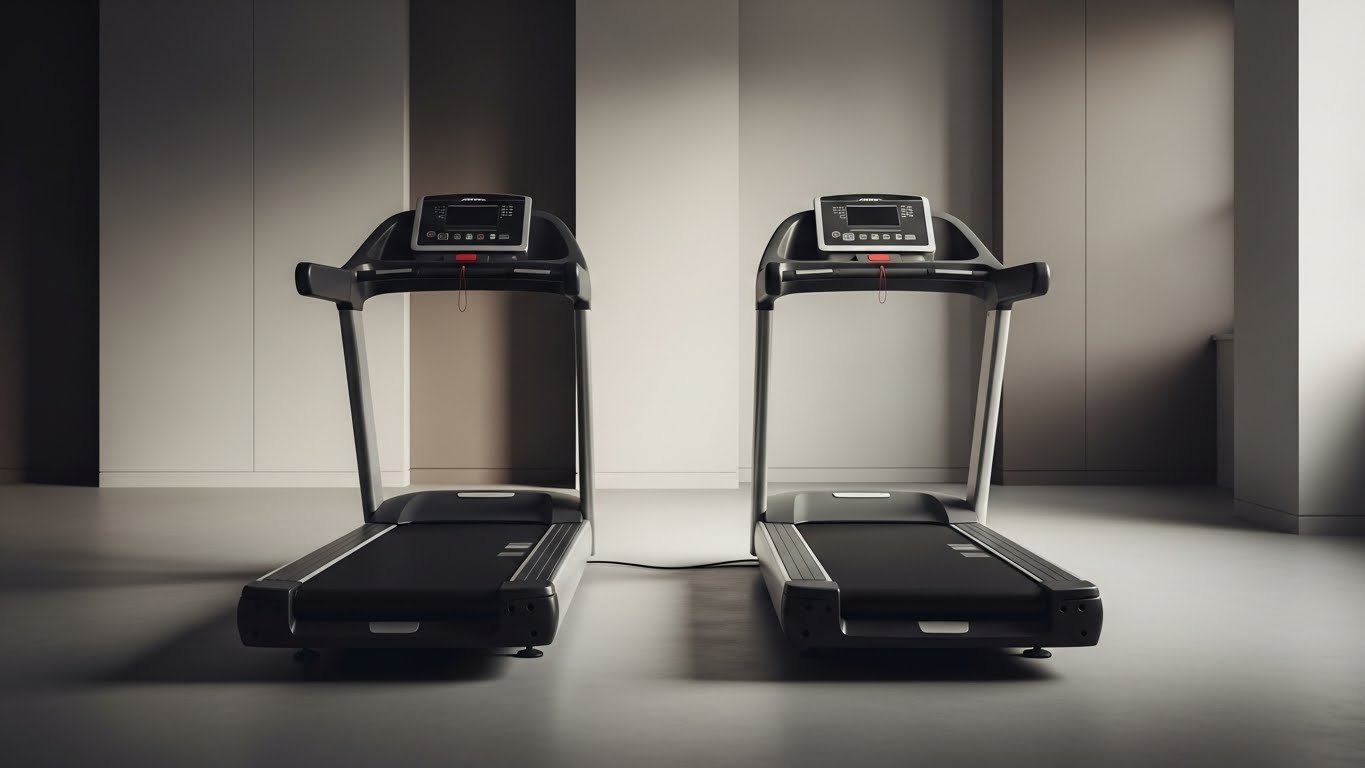
Household finances increasingly resemble two parallel treadmills: one representing income, the other representing costs. Both are moving, but not necessarily in sync.
When wages rise after a period of inflation, households often find themselves running faster just to keep pace. Income growth restores balance rather than creating surplus.
This dynamic explains why progress feels elusive.
Essential expenses such as housing, insurance, healthcare, and transportation set the speed of the cost treadmill. Income must match that pace before any savings or flexibility appear.
Even modest mismatches create fatigue over time.
Oversight and analysis shaped by institutions such as the Consumer Financial Protection Bureau highlight how cash-flow pressure persists despite nominal gains.
What the data does not yet show is a convergence of these treadmills across most households. So far, evidence suggests alignment without relief.
The treadmill analogy clarifies why stability can still feel exhausting.