
Key Takeaways
- Economic systems move through connected mechanisms.
- Small adjustments can slow momentum without stopping growth.
- Friction often appears before downturns do.
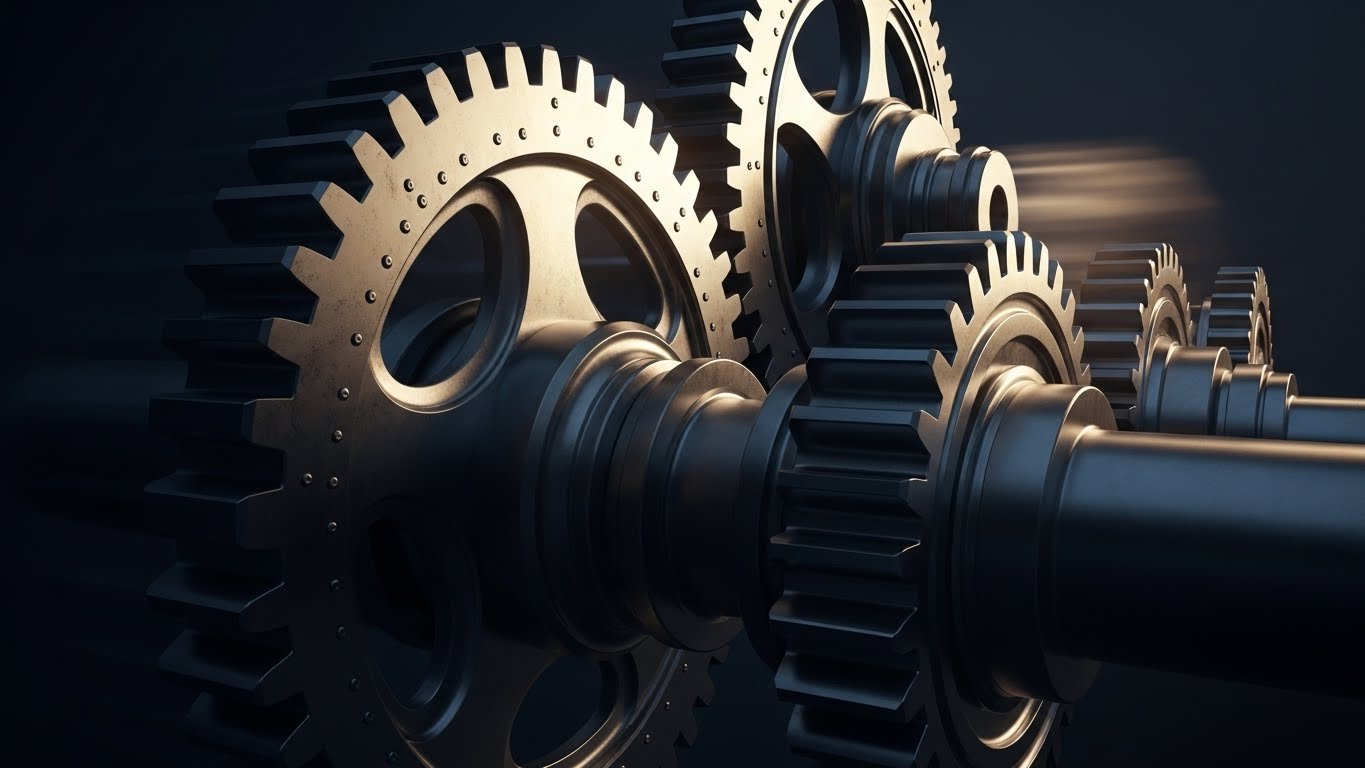
Think of the economy as a set of interlocking gears. When one gear slows slightly, the system keeps moving, but with less speed and more friction.
This analogy helps explain why economic slowdowns often feel subtle before they become visible in headline data. Interest rates may stabilize, but credit tightens. Spending continues, but more cautiously. Hiring persists, but with longer decision cycles.
A common misconception is expecting economic changes to show up all at once. In reality, shifts spread through interconnected channels. Higher borrowing costs influence housing first, then business investment, then employment, each with its own delay.
Households experience this through behavior rather than statistics. Purchases are postponed, savings buffers are preserved, and financial decisions take longer. None of this signals collapse, but it does signal adjustment.
Businesses respond similarly. They slow expansion plans, reassess inventories, and prioritize efficiency. These choices reduce momentum without triggering sharp contractions.
Because these changes unfold gradually, official data often lags lived experience. By the time indicators confirm a slowdown, many participants have already adapted.
Understanding the economy as a system of gears clarifies why periods of adjustment can feel prolonged and uneven, even without dramatic turning points.
Looking ahead, the pace at which these gears realign will shape whether the economy settles into stability or slows further.