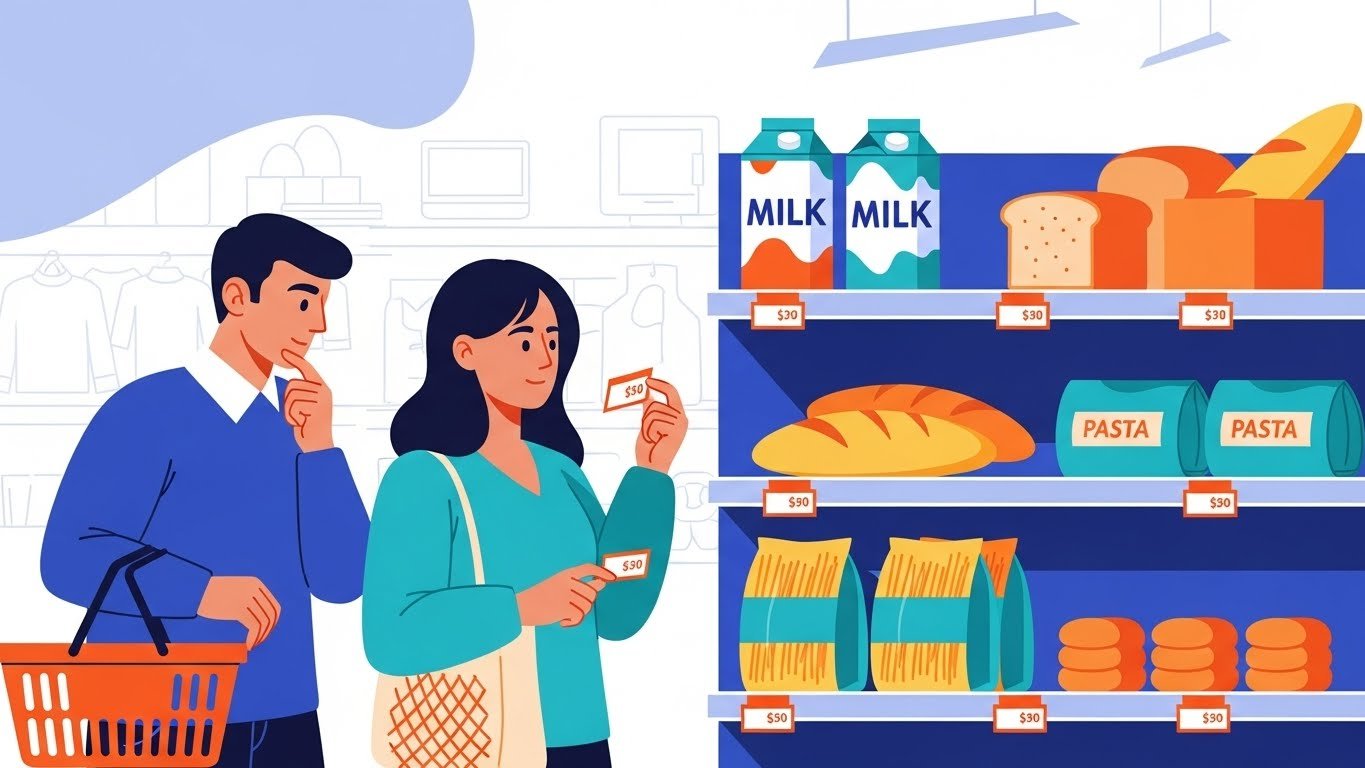
Consumer spending in the United States is not declining in 2026 — it’s changing. Retailers are seeing fewer impulse purchases, smaller transaction sizes, and a stronger focus on essentials. These subtle shifts are forcing companies to rethink pricing strategies, inventory levels, and promotions.
The result is a retail environment that looks stable on the surface but is under pressure underneath.
What’s Changing in Consumer Behavior
Several trends are reshaping spending patterns:
- Fewer discretionary purchases
- Greater sensitivity to price changes
- Increased comparison shopping
- Delayed big-ticket decisions
- Stronger preference for discounts and promotions
Consumers are becoming more selective rather than less active.
Why Retailers Are Adjusting Prices and Inventory
Retailers are responding by:
- Reducing excess inventory
- Limiting aggressive price increases
- Offering targeted promotions instead of broad discounts
- Shifting focus toward essential product categories
Margins are being protected carefully as demand becomes less predictable.
Which Sectors Are Most Affected
The biggest shifts are appearing in:
- Apparel and non-essential goods
- Home décor and furnishings
- Consumer electronics upgrades
- Subscription-based retail services
Essentials continue to perform better than discretionary categories.
How This Affects Household Budgets
More deliberate spending can help households manage cash flow, but it also reflects financial caution. Consumers are prioritizing stability over upgrades, signaling ongoing pressure from housing, healthcare, and debt costs.
Why This Matters for the Economy
Consumer behavior drives economic growth. When spending becomes selective, growth slows in some sectors even as overall consumption remains steady. This dynamic influences hiring, investment, and pricing decisions across the economy.
What to Watch Going Forward
Key indicators include:
- Retail inventory levels
- Discounting trends
- Consumer credit usage
- Wage growth relative to prices
These signals reveal whether spending shifts deepen or stabilize.
The Key Takeaway
In 2026, Americans aren’t stopping spending — they’re spending smarter. Retailers that adapt quickly survive; those that don’t face growing pressure. This shift offers a clearer view of the real economy than headline numbers alone.