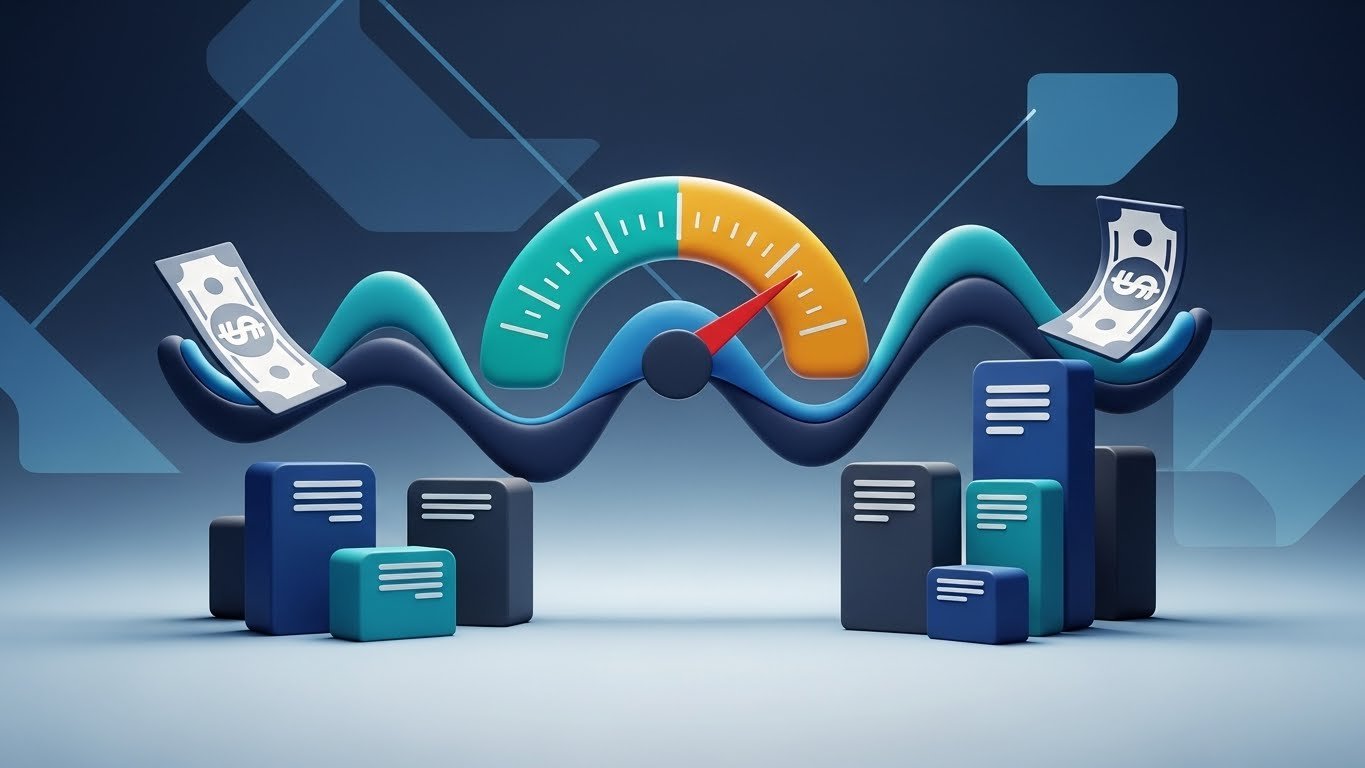
Variable interest rates are back in focus in 2026. As rate expectations shift and volatility persists, borrowers tied to variable-rate products are seeing payments change faster — and sometimes more sharply — than anticipated.
For households, understanding exposure is critical before costs compound.
Why Variable Rates Are More Unpredictable
Several forces are increasing volatility:
- Shifting inflation data
- Changing policy expectations
- Tighter lender risk models
- Faster repricing cycles
What once adjusted slowly now moves quickly.
Which Products Are Most Exposed
Borrowers should review:
- Credit cards with variable APRs
- HELOCs and lines of credit
- Adjustable-rate mortgages
- Variable-rate personal loans
Small rate moves can meaningfully change monthly costs.
How Rising Rates Hit Budgets
Variable rates can:
- Increase minimum payments
- Extend payoff timelines
- Raise total interest paid
- Pressure cash flow unexpectedly
The impact often arrives without warning.
Who Faces the Highest Risk
The most exposed borrowers include:
- Households carrying revolving balances
- Borrowers near utilization limits
- Those with thin emergency savings
- Consumers relying on minimum payments
Limited flexibility amplifies risk.
When Fixed Rates Make Sense
Locking a rate can help when:
- Balances are significant
- Cash flow is tight
- Budget predictability matters
- Rate volatility is high
The trade-off is stability versus short-term savings.
Practical Steps to Reduce Exposure
Borrowers can act by:
- Paying down variable-rate balances
- Exploring fixed-rate options
- Refinancing selectively
- Avoiding new variable-rate debt
- Building a small cash buffer
Timing matters more than perfection.
The Key Takeaway
In 2026, variable interest rates demand attention. Borrowers who assess exposure early and reduce reliance on variable-rate debt can avoid sudden cost spikes and protect financial stability.