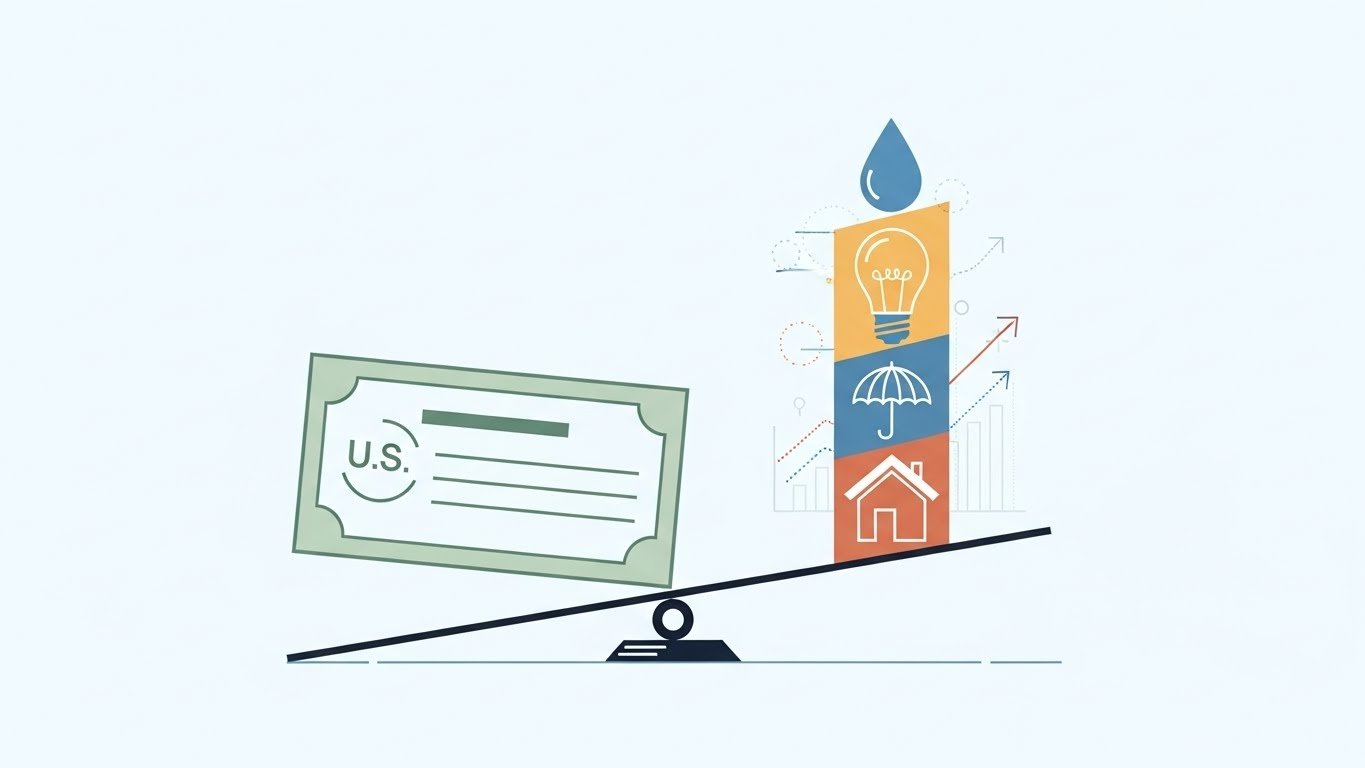
In 2026, wage growth remains a frequent headline. Yet for many American workers, paychecks don’t feel meaningfully stronger. The gap between nominal wage increases and real purchasing power continues to shape household decisions across the U.S.
This matters now because higher fixed costs and interest rates are absorbing raises quickly, leaving less room for savings and increasing reliance on credit.
Why Wage Growth Doesn’t Always Translate to Relief
Nominal wages may rise, but real wages depend on what those dollars can buy. In 2026, several pressures dilute pay gains:
- Persistent increases in housing-related costs
- Higher insurance premiums and utilities
- Elevated interest expenses on consumer debt
- Service inflation that rarely reverses
As a result, raises often feel smaller than expected.
Who Is Feeling the Gap the Most
The mismatch is most pronounced among:
- Middle-income households
- Workers in service and administrative roles
- Employees without annual bonus structures
- Households with variable expenses
These groups face limited flexibility when costs rise.
How Inflation Shifts Household Priorities
When essentials consume more income, families:
- Delay discretionary purchases
- Reduce savings contributions
- Lean more on revolving credit
- Reprioritize fixed bills over long-term goals
This reallocation changes spending patterns economy-wide.
Why Headlines Can Be Misleading
Average wage data masks dispersion. High earners and in-demand roles can pull averages up while many workers see modest or uneven gains.
Local cost differences further widen the experience gap.
The Role of Interest Rates in Real Pay
Higher rates affect workers indirectly by:
- Increasing borrowing costs
- Raising insurance and financing fees
- Tightening access to affordable credit
Even with raises, higher rates can reduce net financial progress.
What Employers Are Doing Differently
In response, many employers emphasize:
- Targeted raises instead of broad increases
- One-time bonuses over base pay
- Benefits adjustments rather than salary hikes
These choices affect predictability for households.
How This Impacts Consumer Behavior
The wage–cost gap leads to:
- More cautious spending
- Increased price sensitivity
- Longer decision cycles for big purchases
- Greater demand for promotions and discounts
Businesses adapt as consumers become selective.
Why This Matters for the Broader Economy
When real wage growth lags, consumption growth slows unevenly. Essentials remain resilient while discretionary categories soften, shaping employment and investment decisions.
What to Watch Going Forward
Key indicators include:
- Real wage growth after inflation
- Household savings rates
- Credit card utilization trends
- Regional cost-of-living shifts
Together, these show whether purchasing power is stabilizing.
Key Takeaway
In 2026, rising wages don’t guarantee stronger finances. For many American workers, higher costs and interest rates absorb gains quickly, making real purchasing power — not headline raises — the true measure of progress.