
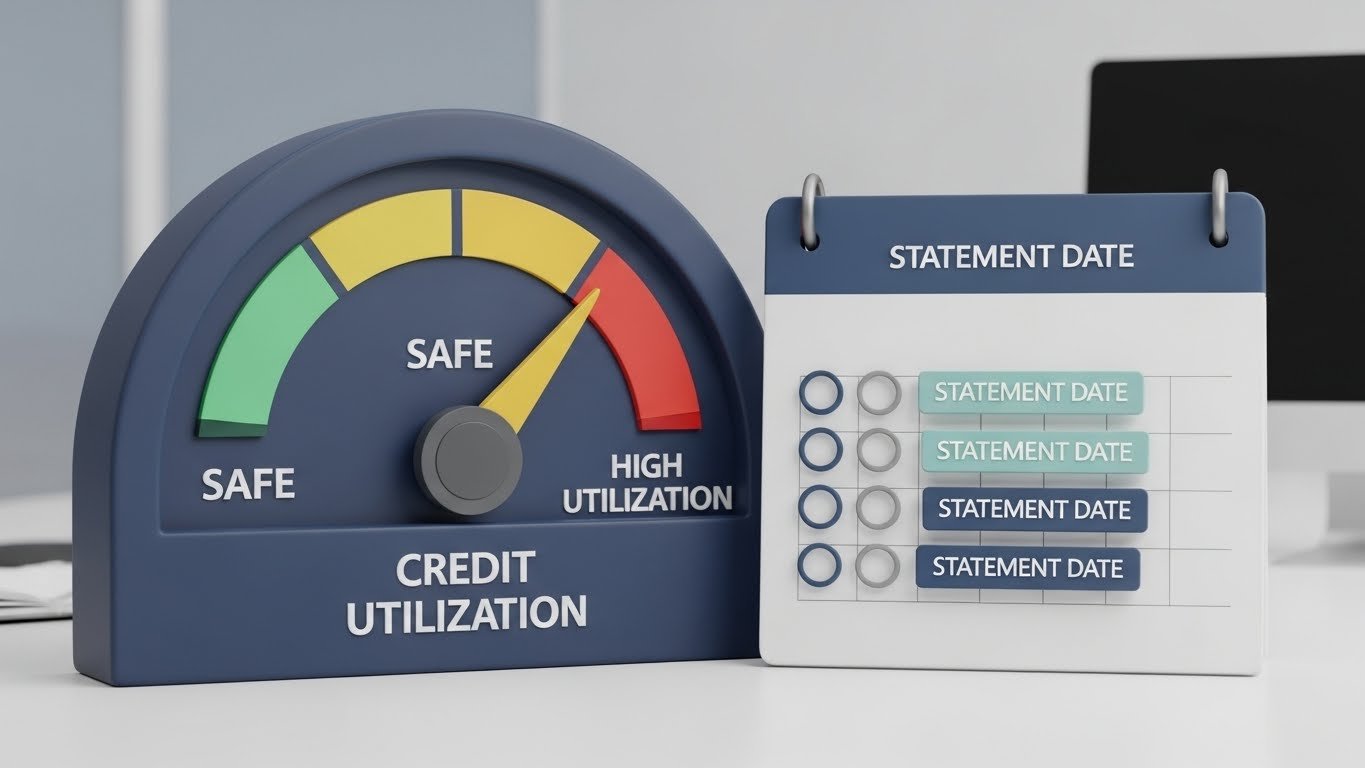
In 2026, credit card utilization has become one of the fastest-moving factors affecting credit scores. Many Americans are paying on time and still watching their scores fall — often without understanding why.
This matters now because higher living costs and interest rates are pushing balances up, while credit models are reacting more aggressively to usage patterns.
What Credit Utilization Really Means
Credit utilization refers to the percentage of your available credit that you’re using. It’s calculated by dividing your current balance by your total credit limit.
For example, a $3,000 balance on a $10,000 limit equals 30% utilization.
In 2026, this ratio carries more weight than ever.
Why Utilization Is Heavily Weighted
Credit models use utilization as a proxy for risk. Higher utilization suggests financial strain, even if payments are made on time.
As lenders tighten standards, utilization trends now matter as much as the absolute number.
The Thresholds That Trigger Score Drops
While there is no single cutoff, common pressure points include:
- Above 30% utilization
- Above 50% utilization
- Maxed-out individual cards
Crossing these levels can trigger noticeable score declines within a single billing cycle.
Why Scores Can Drop Suddenly
Utilization is reported monthly. If balances spike when statements close, utilization jumps immediately — even if the balance is paid down shortly after.
Timing matters as much as behavior.
Who Is Most Affected in 2026
Higher utilization is most common among:
- Households using cards for essentials
- Consumers managing multiple balances
- Cardholders facing reduced credit limits
- Individuals relying on minimum payments
These patterns amplify score sensitivity.
How High Utilization Affects Borrowing Costs
Lower scores can lead to:
- Higher interest rates on new credit
- Reduced approval odds
- Less favorable loan terms
- Increased insurance pricing in some cases
The impact often extends beyond credit cards.
How to Lower Utilization Without Cutting Spending
Effective strategies include:
- Making multiple payments per month
- Paying balances before the statement closes
- Spreading spending across cards
- Requesting limit increases cautiously
- Avoiding new charges near billing dates
These steps reduce reported utilization without changing daily habits.
Why Closing Cards Often Backfires
Closing a card reduces available credit, which can increase utilization instantly. In 2026, this mistake remains common and costly.
Keeping older accounts open often helps more than it hurts.
What to Monitor Going Forward
Consumers should track:
- Statement closing dates
- Individual card utilization
- Total revolving balances
- Credit limit changes by issuers
Awareness prevents surprises.
Key Takeaway
In 2026, high credit card utilization can damage scores even when payments are perfect. Managing when and how balances are reported is one of the most effective ways to protect credit health without abandoning credit entirely.