
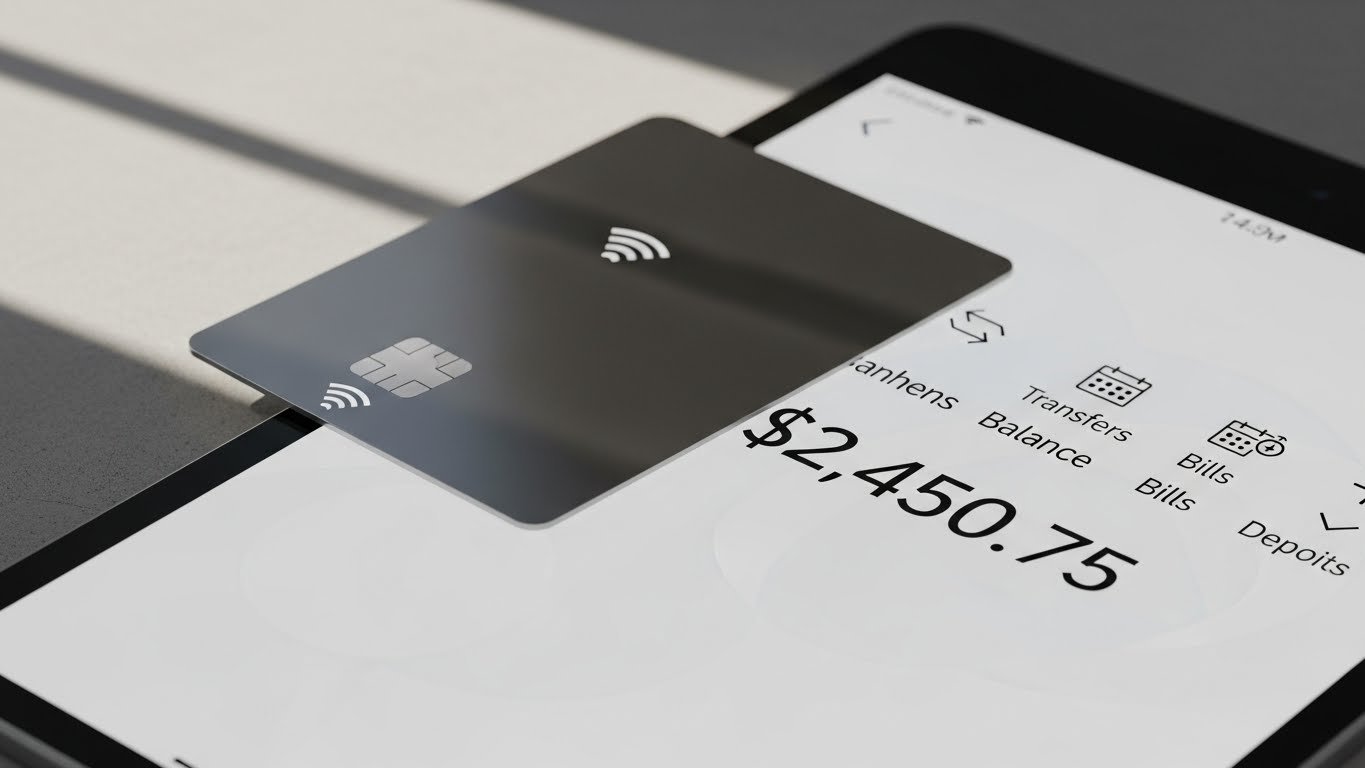
A checking account is one of the most essential financial tools for managing everyday money — yet millions of people still misunderstand how it works, how fees are charged, and how to choose the right one. Whether you’re paying bills, receiving your salary, or making daily purchases, checking accounts serve as the foundation of modern banking. They provide secure access to funds, allow seamless electronic or in-person transactions, and act as the central hub for your financial life. Understanding their features, costs, and benefits is crucial for avoiding unnecessary fees and maximizing the convenience banks offer.
Key Development
While checking accounts have existed for centuries, today’s digital banking landscape has transformed how consumers interact with them. Nearly all banks now offer mobile check deposits, instant transfers, ATM networks, and debit card protections. Fintech companies have further disrupted the space by offering no-fee accounts, faster direct deposit, and budgeting tools built into apps. Because of this competition, checking accounts have become more consumer-friendly — but only if you know what to look for. Consumers must evaluate not just fees but also digital features, ATM access, fraud protections, and customer support.
Why It Matters
A checking account is the gateway to the broader financial system. It determines:
• How quickly you can receive income
• How easily you can pay bills
• Whether you incur avoidable fees
• How securely your money is stored
• How efficiently you move money between savings, investments, and debt payments
For many people, a poorly chosen account can lead to overdraft charges, ATM penalties, or inefficient cash flow. Conversely, the right account can streamline your entire financial life, reduce stress, and support smarter money decisions.
Types of Checking Accounts
• Standard Checking: Traditional bank account with basic features. Often includes monthly fees unless requirements are met.
• Online Checking: Usually no-fee, digital-first, with strong mobile tools and large ATM networks.
• Premium Checking: Offers perks like interest or waived fees, typically requiring high balances.
• Student Checking: Designed for young adults with minimal fees.
• Second-Chance Checking: For individuals rebuilding banking history after previous issues.
Each option suits different financial stages and goals.
Costs and Fees to Watch
Banks may charge fees for:
• Monthly maintenance
• Overdrafts
• Out-of-network ATM usage
• Wire transfers
• Paper statements
However, many online banks and credit unions now eliminate most fees, offering highly competitive alternatives.
How to Choose the Right Checking Account
- Prioritize no monthly fees or easy ways to waive them.
- Ensure access to a large fee-free ATM network.
- Evaluate mobile banking features, including instant transfers and deposit tools.
- Look for low or no overdraft fees.
- Consider whether you want interest-earning checking or integrated budgeting tools.
- Compare customer service ratings and fraud-protection policies.
TheDollarPulse Analysis
The key takeaway is that a checking account is not just a place to hold money — it is the operational engine of your financial life. With today’s mix of traditional banks, credit unions, and fintech challengers, consumers have more options than ever. Choosing the wrong account can cost real money over time, but choosing well provides convenience, savings, and financial stability. For most people, the best strategy is to look for no-fee, digital-friendly accounts with strong security and flexible transaction tools.
Sources
Source: Consumer banking guides, Federal Reserve banking surveys, and fintech market analysis — summarized and analyzed by TheDollarPulse.
This article contains original analysis and does not reproduce copyrighted text.