
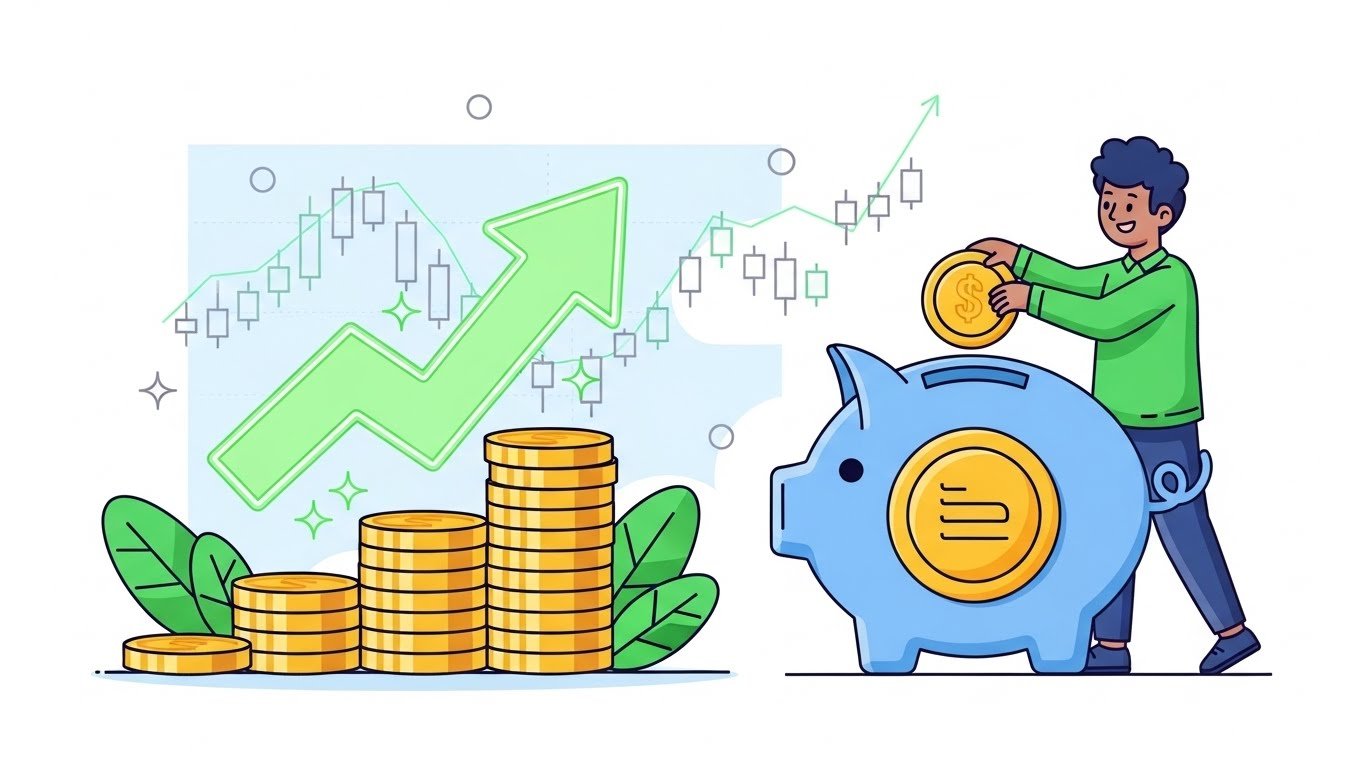
Investing is one of the most effective ways to build long-term wealth — yet many people feel intimidated by the idea of putting their money into markets. Whether you’re saving for retirement, future goals, or simply trying to make your money work harder, understanding the core principles of investing is essential. You don’t need to be wealthy, experienced, or mathematically gifted to invest successfully. What you do need is clarity, consistency, and a solid understanding of how investments grow over time.
What Investing Really Means
At its core, investing is the act of putting your money into assets — such as stocks, bonds, ETFs, or real estate — with the expectation that they will increase in value or produce income. Unlike saving, which protects money for short-term needs, investing is designed for long-term growth.
Investing works through:
• Compounding: Your money earns returns, and those returns also earn returns.
• Risk and Reward: Higher potential returns typically come with higher risk.
• Time Horizon: The longer you invest, the more likely you are to weather market volatility and see growth.
Why It Matters
Investing is crucial for:
• Building long-term wealth
• Beating inflation over time
• Funding major life goals like retirement or homeownership
• Creating passive income streams
• Improving financial security and independence
Without investing, you risk losing purchasing power as prices rise.
Core Types of Investments
• Stocks: Ownership shares of a company. High growth potential, higher volatility.
• Bonds: Loans to governments or companies. Lower risk, smaller returns but stable income.
• ETFs (Exchange-Traded Funds): Bundles of investments that track sectors, indexes, or themes. Great for beginners.
• Mutual Funds: Professionally managed portfolios of stocks or bonds.
• Real Estate: Property investments that can generate rental income and appreciation.
• Index Funds: Low-cost funds that track market indexes like the S&P 500. Popular for passive investing.
How to Start Investing
- Define your goals: Retirement? Buying a house? Building wealth?
- Set your risk tolerance: How much volatility can you comfortably handle?
- Start with a diversified portfolio — ETFs and index funds are ideal for beginners.
- Invest consistently, even in small amounts.
- Avoid timing the market — focus on long-term growth.
- Use tax-advantaged accounts when available, such as retirement plans.
- Review and rebalance annually to maintain your desired asset mix.
Common Investing Mistakes to Avoid
• Waiting too long to start
• Putting all money into a single stock
• Reacting emotionally to market swings
• Ignoring fees and expense ratios
• Investing without a plan
• Stopping contributions during market downturns
Simple Example of Compounding
If you invest $200 per month with a 7% annual return:
• After 10 years: around $34,000
• After 20 years: around $104,000
• After 30 years: around $244,000
Consistency beats perfection.
TheDollarPulse Analysis
The key takeaway is that investing doesn’t require perfect timing or advanced financial knowledge — it requires discipline, patience, and an understanding of fundamental principles. The sooner you begin, the more power compounding has to grow your money. For beginners, diversified, low-cost investments offer the best balance of simplicity and performance. Investing is not a luxury for the wealthy; it is a necessity for anyone seeking long-term financial stability and freedom.
Sources
Source: Retail investing behavior studies, long-term market performance data, and personal finance education frameworks — summarized and analyzed by TheDollarPulse.
This article contains original analysis and does not reproduce copyrighted text.