
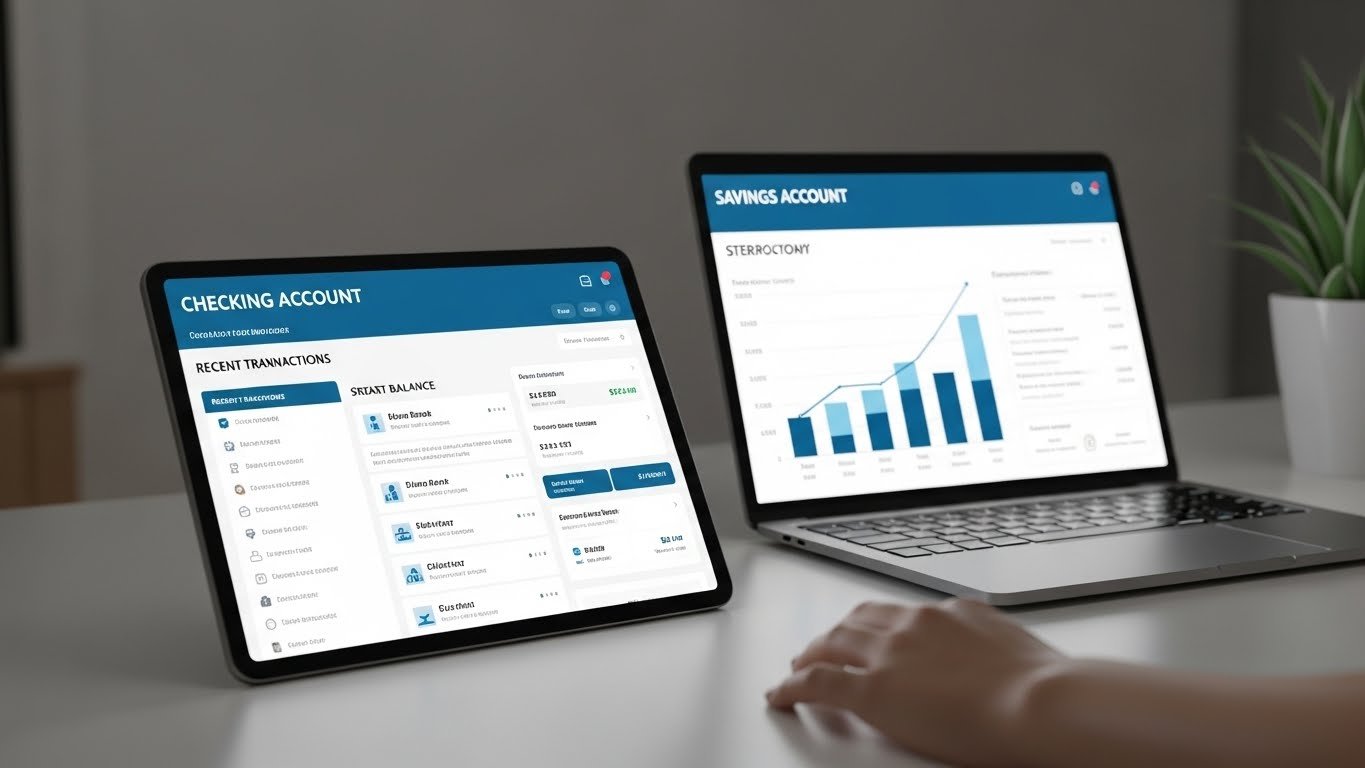
In 2026, American households are rethinking where their money lives. The traditional split between checking, savings, and investments is shifting as people look for better balance between liquidity, safety, and return.
This matters now because cash placement affects daily flexibility and long-term outcomes. Small allocation choices can quietly shape financial resilience.
Why Cash Decisions Feel More Complicated
Several factors are reshaping behavior:
- Interest rates that move faster than expected
- Persistent cost pressures
- Desire for quick access to funds
- Uncertainty about near-term markets
Cash is no longer passive.
How Savings Accounts Are Being Used Differently
Many households are:
- Keeping higher balances in savings
- Moving money more frequently
- Using savings as a planning tool, not just storage
Liquidity is being prioritized.
Why Some Are Holding More Cash
Holding more cash helps:
- Absorb unexpected expenses
- Reduce reliance on credit
- Create psychological security
Confidence improves with optionality.
Why Others Are Still Cautious About Cash
At the same time, concerns include:
- Erosion of purchasing power
- Variable yields
- Missed investment opportunities
The trade-off feels sharper.
How Technology Is Changing Money Movement
Digital tools allow:
- Faster transfers between accounts
- Easier yield comparison
- Real-time balance visibility
Money is more mobile than ever.
Who Is Most Actively Adjusting
The shift is strongest among:
- Middle-income households
- Workers with variable income
- Consumers managing rising fixed costs
Active management replaces inertia.
Why This Matters for Financial Planning
Where money sits affects:
- Emergency readiness
- Ability to seize opportunities
- Stress levels around spending
Placement influences behavior.
The Cultural Shift Around Cash
Pop culture and financial media now frame cash as strategic rather than idle. Narratives emphasize flexibility and control.
Perception drives action.
What to Watch Going Forward
Key indicators include:
- Household cash balances
- Savings rate trends
- Movement between account types
These reveal confidence levels.
Key Takeaway
In 2026, Americans are thinking more deliberately about where they keep their money. Balancing liquidity, return, and peace of mind has become a central financial decision.