Many people know, in theory, that budgeting is supposed to bring clarity and control. In practice, however, it often feels more exhausting and less effective than ever. This article explains why modern budgets are harder to maintain, how today’s expense patterns undermine simple plans, and what this says about the way household finances now work.
Key Takeaways
- Modern expenses are more variable and less predictable than they used to be.
- Many “fixed” costs are no longer truly fixed.
- Small, frequent charges make spending harder to track and control.
- Budgeting struggles are often structural, not personal failures.
Why so many people feel their budget no longer works
For decades, budgeting advice has sounded simple: write down your income, list your expenses, and stick to the plan.
Yet for many households in 2026, that formula feels increasingly disconnected from reality.
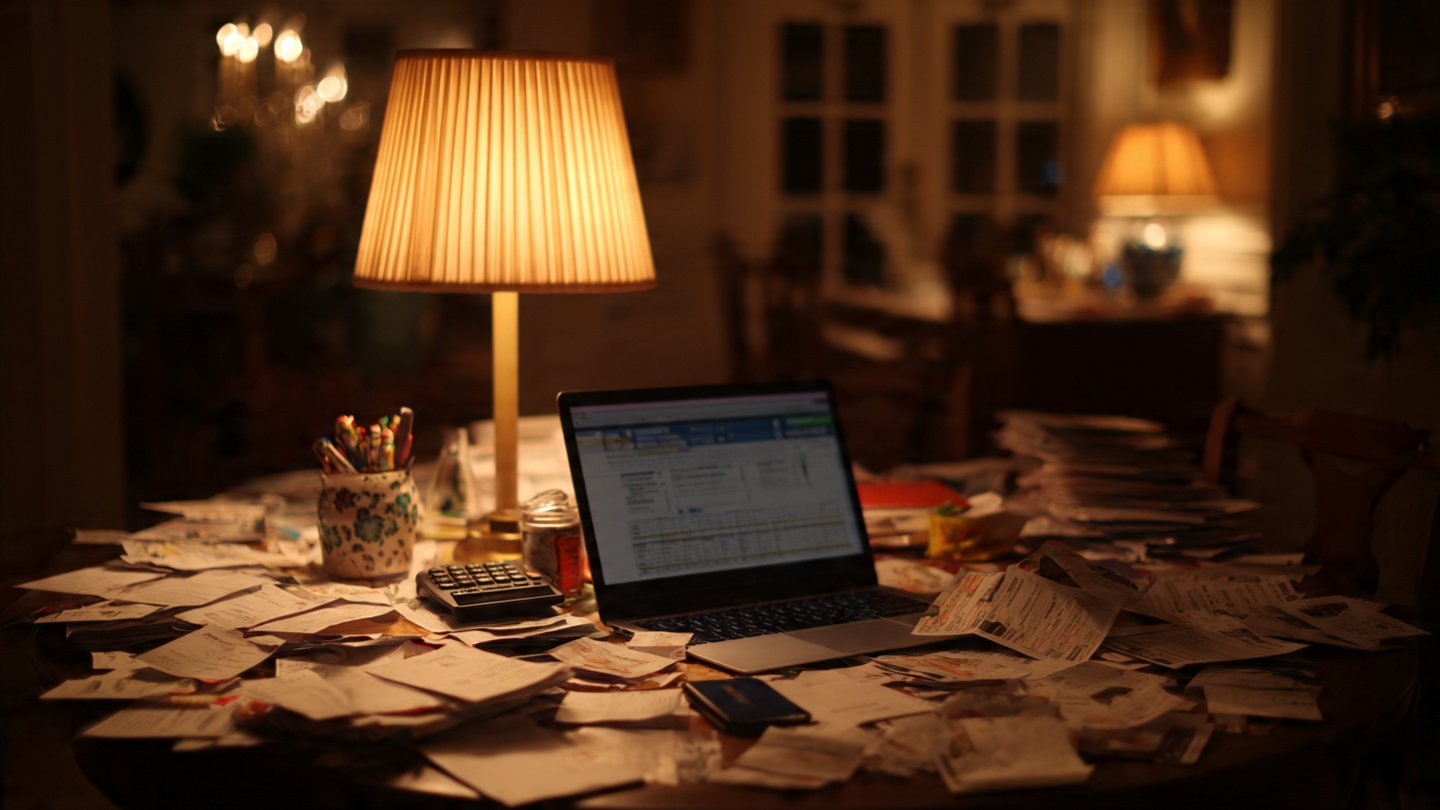
People create budgets. They track spending. They make honest efforts to stay within limits. And still, at the end of the month, the numbers rarely line up the way they expected.
This experience is so common that it is easy to assume the problem is personal discipline.
In most cases, it is not.
The real issue is that the structure of everyday expenses has changed in ways that make traditional budgeting much harder to execute.
This article is for informational purposes only and does not constitute financial advice.
The quiet shift from predictable bills to flexible costs
In the past, a large share of household spending was made up of truly fixed amounts.
Rent or mortgage, utilities, basic food, transportation. Most of these moved slowly and were easy to anticipate.
Today, many of those same categories have become more variable.
Energy costs fluctuate. Insurance premiums adjust more often. Grocery bills swing from week to week. Transportation expenses change with fuel prices and maintenance surprises. Even rent and service fees are adjusted more frequently than they used to be.
When core expenses are no longer stable, the foundation of any simple budget becomes less reliable.
The rise of small, frequent, and invisible spending
Another change is the way money now leaves accounts.
Instead of a few large, obvious bills, many people now deal with:
- Subscriptions
- App purchases
- Platform fees
- Automatic renewals
- Micro-transactions
- Irregular service charges
Each one is small enough to feel harmless.
Together, they form a constant background drain that is hard to see and harder to control.
This kind of spending does not respond well to old-style category limits because it does not arrive in neat, predictable chunks.
Why “fixed” costs are not really fixed anymore
Many budgets still divide expenses into fixed and variable.
In theory, that makes sense.
In practice, the fixed category has become much less stable.
Housing costs change more often. Insurance renewals bring surprises. Phone and internet plans get repriced. Property taxes and fees adjust. Even healthcare and education expenses move unpredictably.
When the supposedly stable part of the budget keeps shifting, planning becomes more like guesswork.
The problem of timing, not just totals
Another overlooked issue is timing.
You might know roughly how much you spend in a year. That does not mean you know when those expenses will hit.
Car repairs, medical bills, travel, gifts, and home maintenance all arrive irregularly. When several of them cluster in the same period, even a well-designed budget can feel broken.
This creates a sense of failure even when the annual math still works.
Why many people feel constantly “behind”
When expenses are variable and unpredictable, people tend to operate with thinner margins.
There is less slack in the system.
That means:
- Fewer months where everything feels easy
- More months where something unexpected happens
- More frequent need to adjust plans on the fly
Over time, this creates the feeling of always catching up, even when income is stable.
The role of digital money in changing behavior
Paying with cards, apps, and automatic systems has made spending smoother and less visible.
This is convenient. It is also cognitively different from handing over cash.
Small decisions blend together. The sense of “how much is left” becomes abstract. The feedback loop between spending and awareness weakens.
This is not about carelessness. It is about how modern payment systems change perception.
Why this is not just about willpower
It is tempting to reduce budgeting problems to discipline.
But discipline works best in stable environments.
When the environment itself is volatile, discipline alone cannot create predictability.
Modern household finance is more complex, more fragmented, and more exposed to outside shocks than it used to be. Budgeting has not become harder because people are worse at it. It has become harder because the system it tries to control is less stable.
What the data does not yet show
What the data does not yet show is a return to simpler, more predictable household expense patterns.
So far, evidence suggests that variability and fragmentation will remain a defining feature of everyday finances.
That means budgeting will continue to require more flexibility and more tolerance for adjustment than older models assumed.
Why many budgets still fail even when they are “correct”
Some budgets fail not because the numbers are wrong, but because the structure does not match reality.
They assume smoothness where there is volatility.
They assume regularity where there is clustering.
They assume stability where there is constant change.
When those assumptions break, the budget feels like it is failing, even if the person is doing everything right.
Budgeting is harder because life is less predictable
Budgeting has not stopped being useful.
But it has become more demanding.
Modern household finances are shaped by variable costs, fragmented spending, and irregular timing. That makes control harder, even for organized and careful people.
If budgeting feels more exhausting than it should, that is not a personal failure.
It is a reflection of how the structure of everyday expenses has changed.