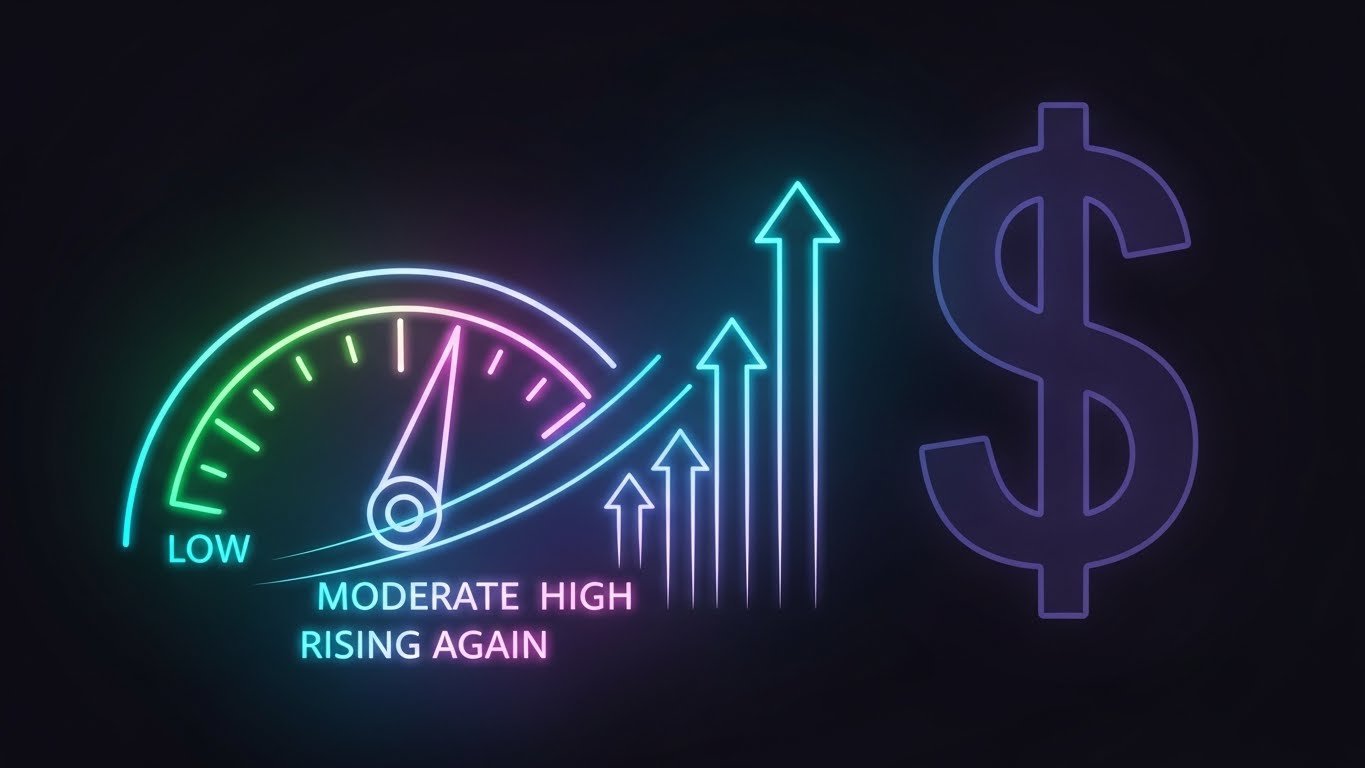
A new phrase is spreading quickly across markets, social media, and economic newsletters: the “new inflation wave.” And it’s not just another headline. Analysts are warning that while inflation has cooled recently, underlying pressures could rebuild faster than expected in 2026. Consumers are feeling relief today — but many experts believe this may be the calm before a new round of price acceleration.
So what triggered all the conversation? Several sectors considered early indicators of inflation are flashing warning signs. Energy costs have shown small but persistent increases. Food suppliers are reporting higher input prices. And service providers — from transportation to healthcare — are signaling upcoming adjustments. These shifts may look minor in isolation, but historically, they precede broader price climbs.
Another key factor is the weakening U.S. dollar. A softer dollar boosts American exports but makes imported goods more expensive, pushing up everyday costs. Add political uncertainty and the possibility of new fiscal policies, and you get a market trying to price in a future that feels increasingly unclear.
What does this mean for everyday Americans? Potentially higher living costs, tighter credit conditions, and renewed pressure on wages. For investors, it could reshape asset strategies heading into the new year. And for policymakers, it raises the stakes: act too slowly and inflation could resurface; act too aggressively and growth could stall.
Whether the “new inflation wave” becomes reality or fades as a false alarm, one thing is certain — the conversation is only getting louder.