Many Americans are saving less in 2026, even when they earn more than they did a few years ago. The problem isn’t discipline alone — it’s a structural shift in where money goes. Essentials now consume a larger share of household income, leaving less room for traditional saving strategies.
Understanding what changed — and how to adapt — is key to rebuilding savings without unrealistic sacrifices.
Where Household Budgets Are Breaking Down
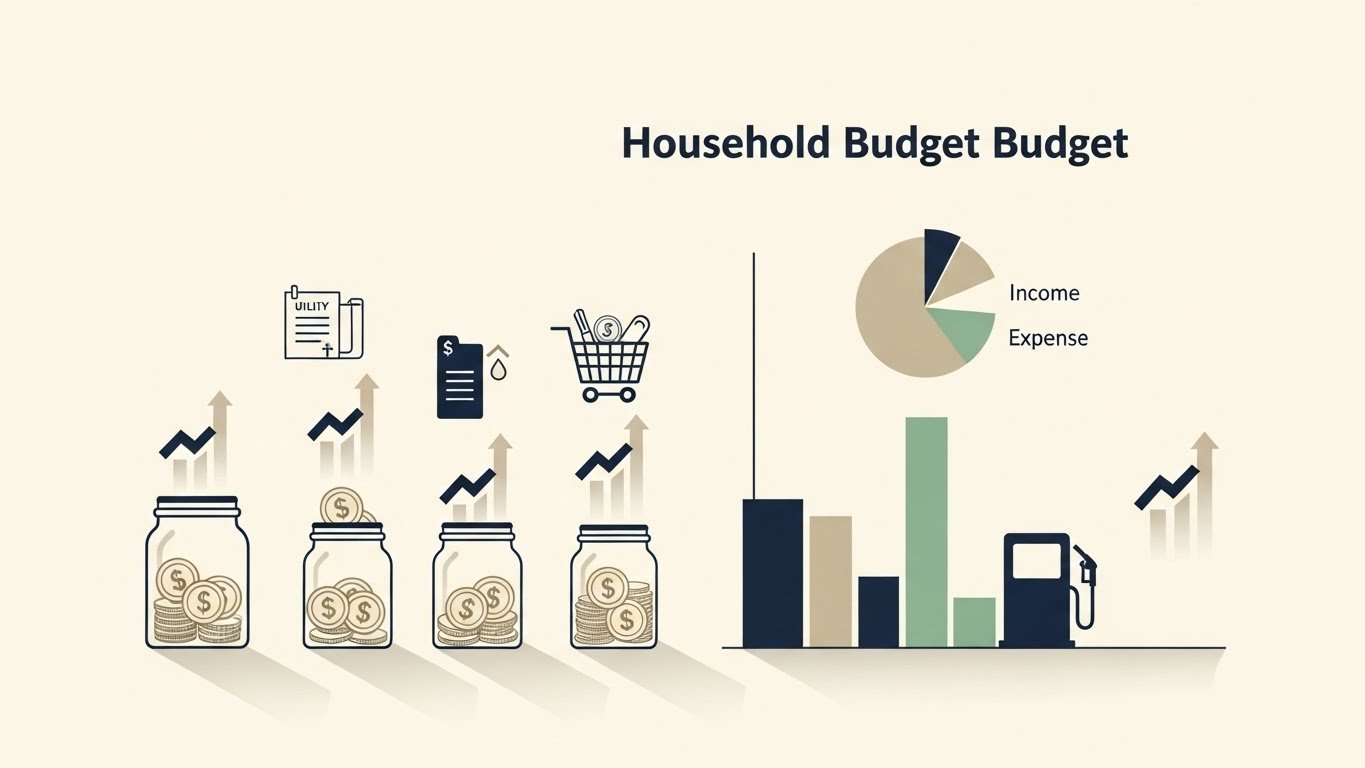
In 2026, budget pressure comes from categories that are hard to cut:
- Housing-related costs
- Insurance premiums
- Utilities and energy
- Food consumed at home
- Transportation and maintenance
These expenses rise quietly and persistently, crowding out savings before discretionary spending even begins.
Why Old Saving Advice Isn’t Working Anymore
Advice like “save what’s left at the end of the month” no longer works when fixed costs dominate. For many households, there is nothing left.
Automatic saving based on percentages also fails when income fluctuates or expenses spike unexpectedly.
The New Saving Reality: Smaller, Smarter, Earlier
Successful savers in 2026 are adapting by:
- Saving immediately after income hits
- Using smaller, frequent transfers
- Prioritizing liquidity over long-term locking
- Separating emergency funds from long-term goals
Consistency now matters more than size.
Hidden Budget Leaks That Drain Savings
Common overlooked drains include:
- Subscription creep
- Insurance add-ons
- Convenience fees
- Underused memberships
- Automatic renewals
Individually small, these leaks compound over time.
How to Rebuild Savings Without Cutting Essentials
Practical adjustments that work:
- Redirect tax refunds or bonuses directly to savings
- Use round-up or micro-saving tools
- Cap discretionary categories instead of eliminating them
- Review insurance and service plans annually
- Keep savings visible but not too accessible
The goal is progress, not perfection.
Why Emergency Savings Matter More in 2026
With credit costs high and income volatility rising, emergency savings reduce reliance on high-interest debt. Even a modest buffer can prevent financial setbacks from becoming long-term problems.
What This Means for Financial Stability
Households that adapt saving strategies to today’s cost structure regain control faster. Those relying on outdated rules often feel stuck — even when income rises.
The Key Takeaway
Saving money in 2026 requires new tactics. By adjusting timing, expectations, and focus, households can rebuild savings gradually — even in a high-cost environment.