
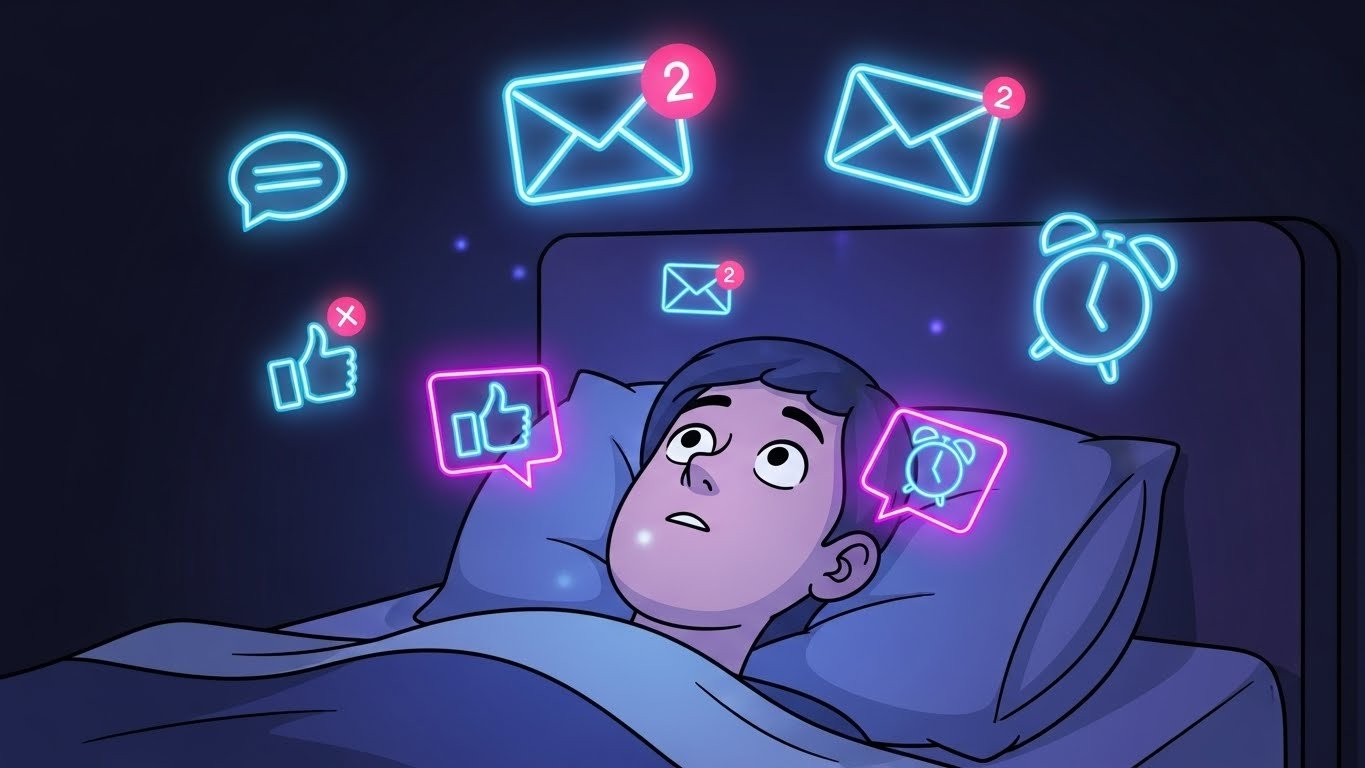
A surprising new term is circulating in scientific journals and wellness reports: the “sleep recession.” Researchers say that despite more awareness and more technology designed to improve rest, Americans are sleeping less than they did five years ago — and the decline is accelerating. What’s causing it? Scientists point to a perfect storm of lifestyle changes, stress patterns, and digital behaviors reshaping how the brain prepares for rest.
The biggest culprit may be late-night screen exposure. Blue light has long been known to suppress melatonin, but recent studies show that interactive screen time — scrolling, messaging, gaming — keeps the brain in a mild cognitive arousal state long after devices are turned off. That means people feel alert when they should feel drowsy, pushing bedtimes later and compressing total sleep hours.
Another emerging factor is “micro-stress accumulation.” Small stressors throughout the day — notifications, work messages, financial worries, task-switching — accumulate in ways the brain interprets as unresolved threat signals. This delays deep sleep onset and increases nighttime interruptions.
Health researchers warn that if the trend continues, the 2026 sleep recession could lead to higher rates of anxiety, weakened immune function, slower metabolism, and impaired decision-making. In other words, a societal decline in rest quality could reshape public health more than most people realize.
The good news? Even small adjustments — like reducing screen exposure 60 minutes before bed, lowering nighttime light levels, and maintaining a consistent routine — can dramatically improve sleep stability. The sleep recession is real, but it’s not irreversible.